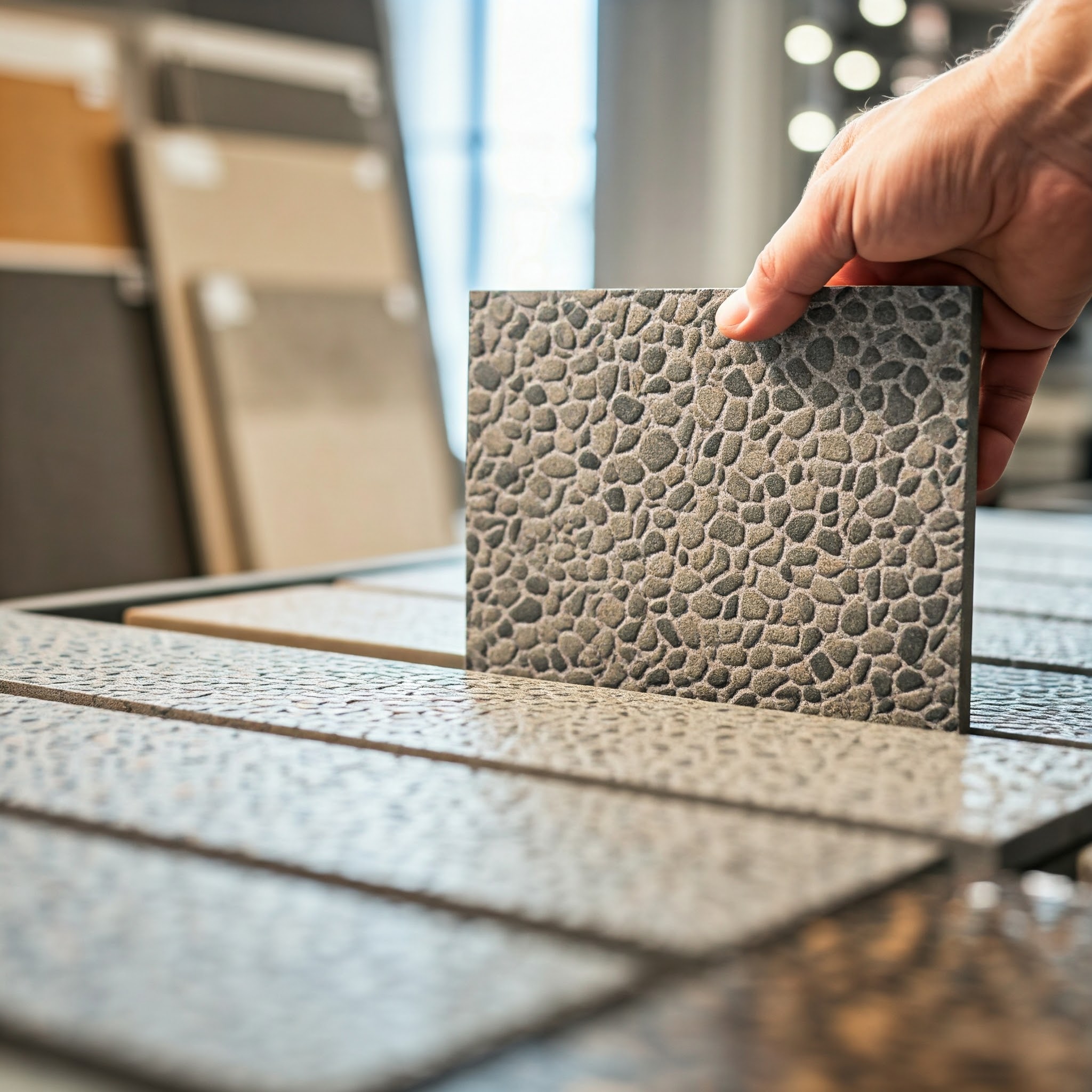
How to Choose the Right Concrete Contractor for Your Patio Project

When it comes to installing a concrete patio, choosing the right contractor is essential for ensuring that your project is completed to your satisfaction. With so many contractors available, it can be overwhelming to know where to start. The right contractor will bring expertise, reliability, and high-quality workmanship to the job, ensuring that your patio is both functional and aesthetically pleasing. 

Do Your Research: Start with Reviews and Recommendations

Before you start contacting contractors, take time to do your research. Begin by reading online reviews and asking for recommendations from friends, family, or neighbors who have had similar projects done. Personal referrals are especially valuable, as they come from trusted sources who have first-hand experience with the contractor’s work.

What to Look for in Reviews

When reading online reviews, focus on both the quality of the work and the customer service. Look for contractors who consistently receive positive feedback for reliability, professionalism, and timely completion. If a contractor has numerous positive reviews and examples of successful patio installations, they are more likely to meet your expectations.

You should also be wary of contractors with mostly negative reviews or complaints about poor communication, unfinished work, or subpar results. These could be signs of a contractor who is not a good fit for your project.

2. Ask the Right Questions: Understanding Qualifications and Experience

Once you’ve narrowed down your list of potential contractors, it’s important to ask the right questions to ensure they have the necessary qualifications and experience for your patio project.

Key Questions to Ask

  • How many years of experience do you have in concrete patio installation? Experience is crucial when choosing a contractor, as it ensures that they have the skills to handle the challenges of your project.
  • Can you provide references or examples of past patio projects? A reputable contractor should have a portfolio of completed patio projects and be willing to provide references you can contact.
  • Do you have the necessary licenses and insurance? Proper licensing and insurance protect both you and the contractor. Make sure they have liability insurance and workers’ compensation coverage in case of accidents or damage during the project.
  • What is the timeline for completion? A clear timeline helps manage expectations and ensures that your project is completed on schedule.

The Importance of Communication

A good contractor will keep you informed throughout the process, offering guidance and updates. If you feel that a contractor is not responsive or transparent during the initial stages, this may be a red flag.

3. Check for Proper Licensing and Insurance

One of the most important factors when choosing a concrete contractor is ensuring that they are properly licensed and insured. This not only protects you from potential liabilities but also guarantees that the contractor meets local regulations and standards.

Licensing

A licensed contractor demonstrates that they have the qualifications required to perform the work legally and competently. In Maryland, you can verify a contractor’s license by checking with the Maryland Home Improvement Commission (MHIC). Avoid working with unlicensed contractors, as this could cause legal and financial problems down the road.

Insurance

Insurance is crucial in case something goes wrong during the project. A contractor should have general liability insurance to cover any damage to your property or surrounding areas. They should also carry workers’ compensation insurance to cover any injuries that might occur on the job site. Always ask for proof of insurance before hiring a contractor.

4. Get Multiple Quotes: Compare Prices and Services

It’s always a good idea to get quotes from at least three different contractors. This allows you to compare pricing, materials, and services, and helps ensure you’re getting a fair deal.

What to Look for in a Quote

When reviewing quotes, make sure they are detailed and include the cost of labor, materials, permits, and any additional services. Avoid vague quotes or quotes that seem unusually low, as they may indicate that the contractor is cutting corners on quality or materials.

5. Look for Red Flags: What to Avoid in a Contractor

While there are many qualified contractors out there, it’s important to be aware of potential red flags that can signal trouble down the road. Here are a few warning signs to watch out for:

Unclear or Unprofessional Communication

If a contractor is difficult to reach or unresponsive to your questions, this could be a sign of poor customer service. Clear and consistent communication is key to a successful project, so be cautious if a contractor doesn’t prioritize it.

Too-Good-to-Be-True Prices

While you want to stay within budget, extremely low quotes should raise a red flag. Contractors who offer unusually low prices may be cutting corners or using inferior materials to save costs. A fair and reasonable price should reflect the quality of materials and the level of expertise required.

Unlicensed or Uninsured Contractors

As mentioned, working with an unlicensed or uninsured contractor can lead to problems down the line. Always verify that your contractor has the proper licenses and insurance to protect you from liability.

6. Conclusion: Choosing the Right Contractor for Your Patio Project

Choosing the right concrete contractor is essential for ensuring that your patio project is completed with expertise, attention to detail, and quality materials. By doing your research, asking the right questions, and looking for red flags, you can make an informed decision that will lead to a successful and stress-free patio installation. A qualified contractor will not only deliver a high-quality concrete patio but will also ensure that the process runs smoothly from start to finish.

Investing time in selecting the right professional for your project ensures that your concrete patio will be built to last, enhancing your outdoor space for years to come. The right contractor will bring both skill and care to your project, making your dream patio a reality.
The Latest Trends in Concrete Patio Design for 2024

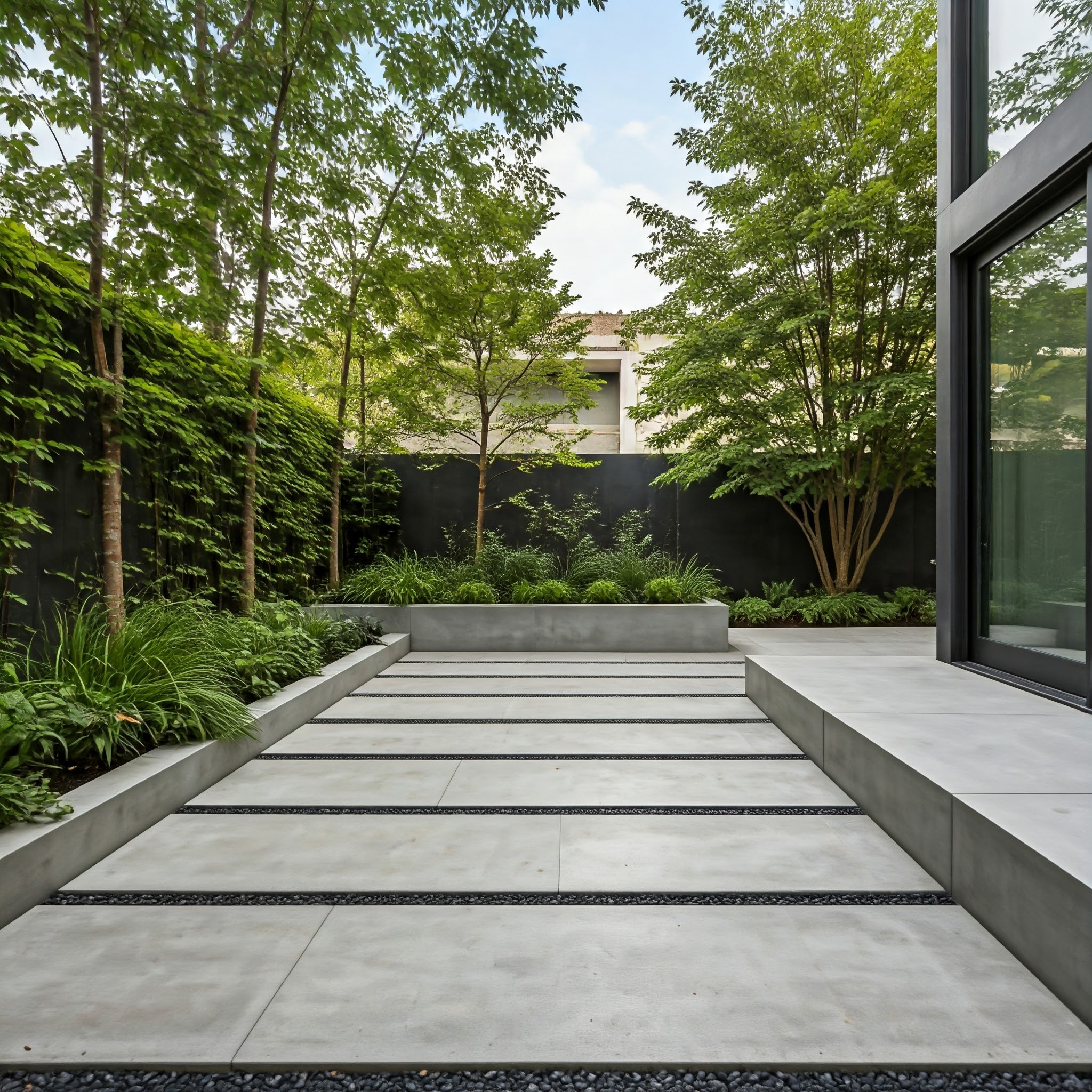
As we move into 2024, homeowners are increasingly focused on creating outdoor spaces that reflect their personal style while providing comfort and functionality. Concrete patios, with their versatility and durability, remain a popular choice for outdoor living areas. This year, the trends in concrete patio design reflect a shift towards modern, minimalist aesthetics, bold colors, and innovative finishes. 

Modern and Minimalist Designs: Clean Lines and Simple Elegance

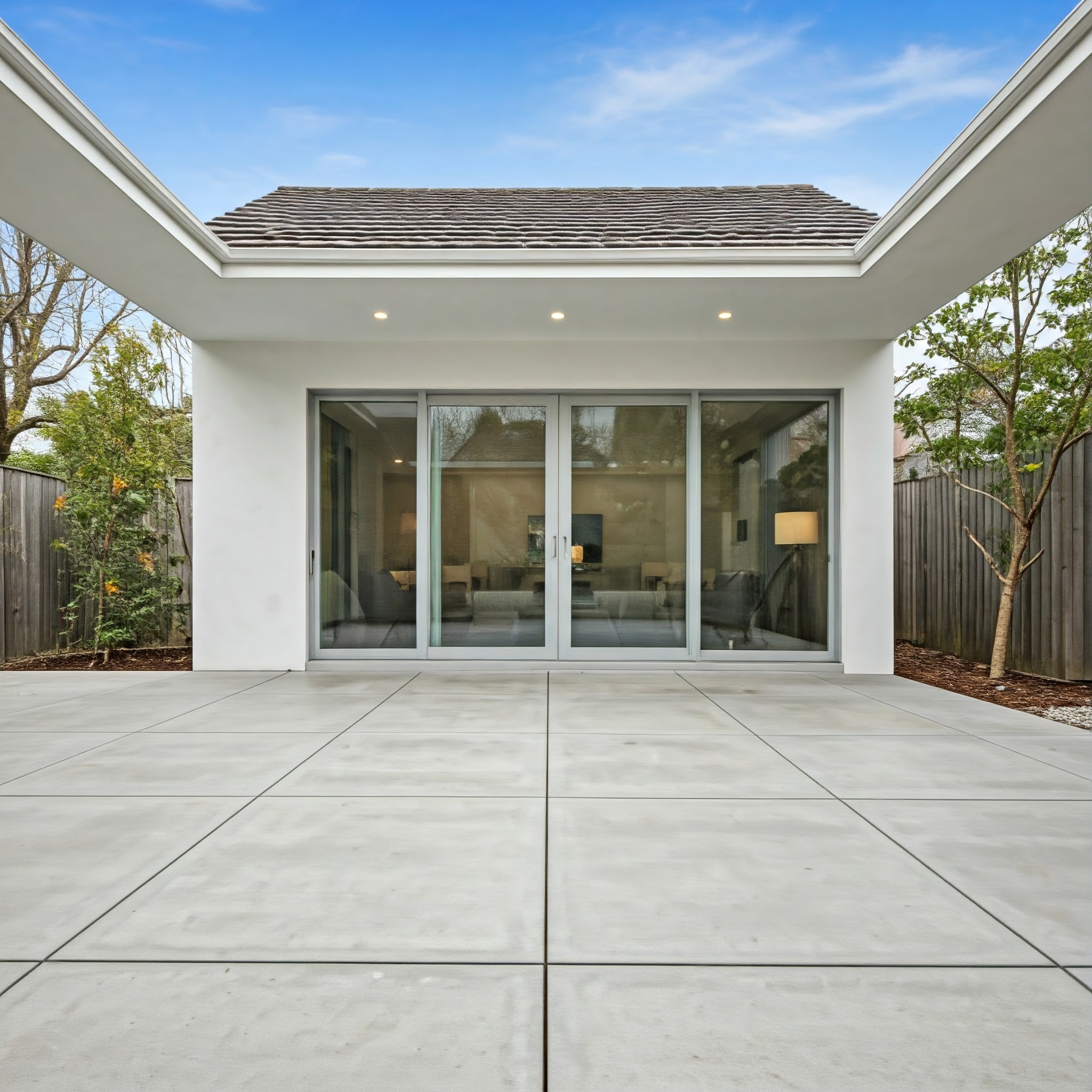
One of the biggest trends in concrete patio design for 2024 is the move towards modern, minimalist aesthetics. Homeowners are seeking clean, simple lines and open spaces that create a peaceful, uncluttered environment. The goal is to create an outdoor area that feels like an extension of the home’s interior, with smooth surfaces and a focus on subtle sophistication.

Why Minimalism Works

Minimalist patio designs emphasize functionality and simplicity. The clean lines of a minimalist concrete patio can create a sleek, contemporary look that complements various home styles, from modern to mid-century. By avoiding excessive ornamentation, these patios focus on the essentials: a solid, well-designed surface that flows seamlessly with the landscape. This trend appeals to homeowners who value quality over quantity and prefer a less-is-more approach to outdoor living.

Design Features to Consider

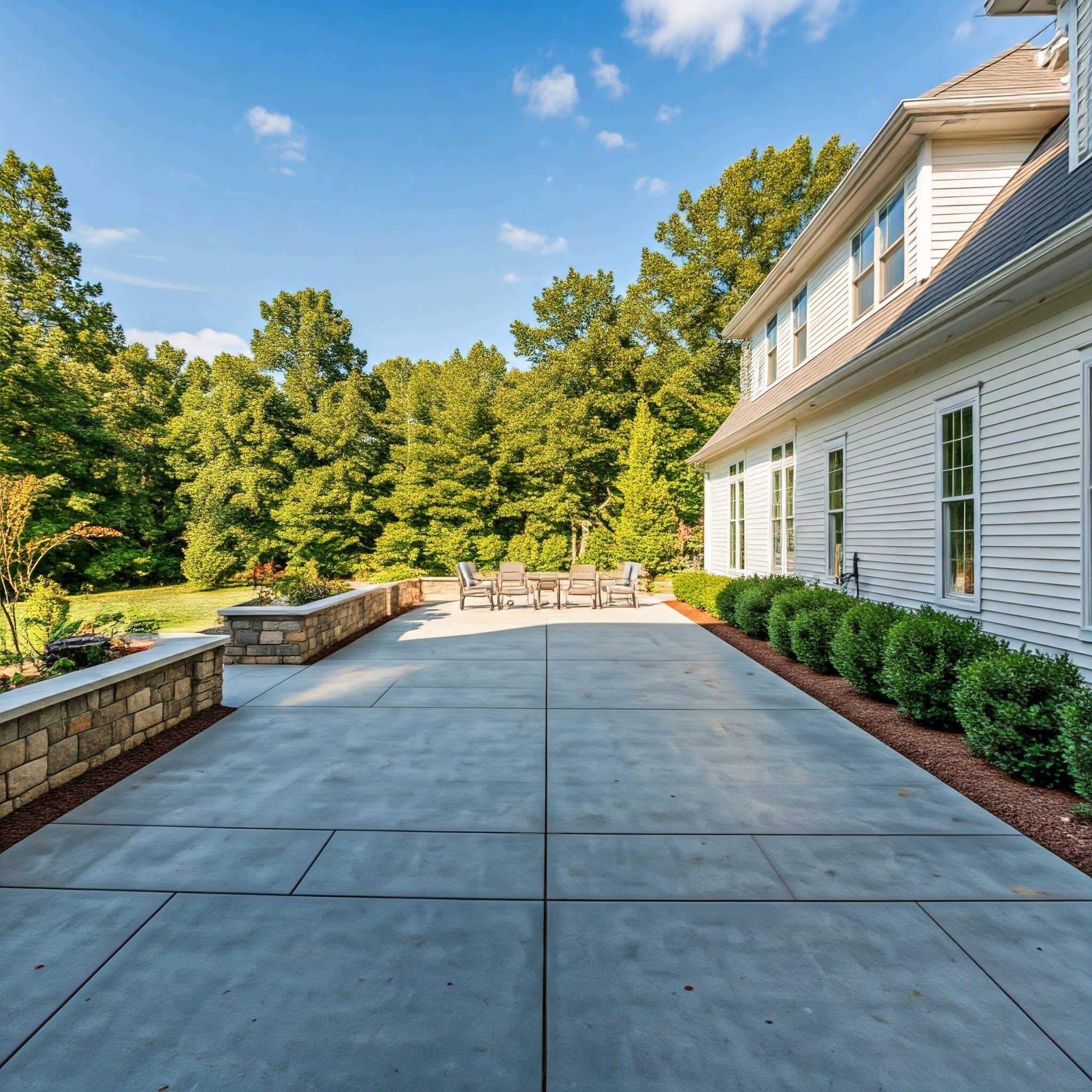
To achieve a minimalist concrete patio, opt for simple, geometric shapes and straightforward patterns. Incorporating elements like a linear layout or even a continuous slab of concrete can enhance the space’s simplicity. Consider using a neutral color palette with a matte finish for added elegance. The key is to keep the design streamlined, with enough space to allow for easy movement and natural light.

Bold Colors and Contrasting Designs: Add a Pop of Personality

While minimalist designs dominate the scene, 2024 also sees a surge in the use of bold colors and contrasting designs for concrete patios. Gone are the days when concrete was limited to gray tones. Homeowners are now embracing vibrant hues, intricate patterns, and creative combinations to give their outdoor spaces a unique and personal flair.

Colorful Concrete for Bold Impact

Incorporating bold colors into your concrete patio design can instantly energize the space. Popular colors for 2024 include deep blues, earthy terracottas, and rich greens, all of which add depth and personality to the patio. These colors work well with modern outdoor furniture and landscaping, creating a dynamic contrast against natural surroundings.

Contrasting Finishes and Patterns

Another trend is using contrasting textures and finishes within the patio. For example, combining smooth, polished concrete with textured or stamped finishes can create visual interest and a sense of dimension. Bold, geometric patterns or checkerboard designs are becoming increasingly popular, giving the patio a fresh and vibrant feel. These contrasting elements break up the monotony and add layers to the overall design.

Sustainable and Eco-Friendly Designs: Concrete with a Green Twist

Sustainability continues to be a key focus for homeowners in 2024, and this extends to concrete patio design as well. As more people are becoming environmentally conscious, there’s a growing demand for patios that are not only stylish but also eco-friendly. Concrete is already an energy-efficient material, but new innovations are making it even more sustainable.

Eco-Friendly Concrete Options

Recycled concrete, which is made from reclaimed materials, is a great way to reduce the environmental impact of your patio while still enjoying the benefits of durable concrete. This trend helps to minimize waste and reduce the carbon footprint of the construction process. Additionally, permeable concrete, which allows water to flow through the surface, is becoming more popular for homeowners who want to manage stormwater runoff effectively and maintain a more sustainable outdoor space.

Green Landscaping Integration

Another aspect of eco-friendly patio design is the integration of greenery and natural elements. Consider adding plants, garden beds, or even a small herb garden along the edges of your concrete patio to soften the appearance of the hard surface and promote biodiversity. By blending concrete with green landscaping, you create a harmonious outdoor living space that is not only beautiful but also environmentally responsible.

Textured Concrete Finishes: Bringing Depth and Interest

Textured finishes continue to be a major trend in concrete patio design for 2024. While smooth, polished concrete remains a classic option, adding texture to your patio can elevate the design and give it more character. Textured concrete finishes are perfect for homeowners who want to add dimension and tactile appeal to their outdoor space.

Popular Textured Finishes

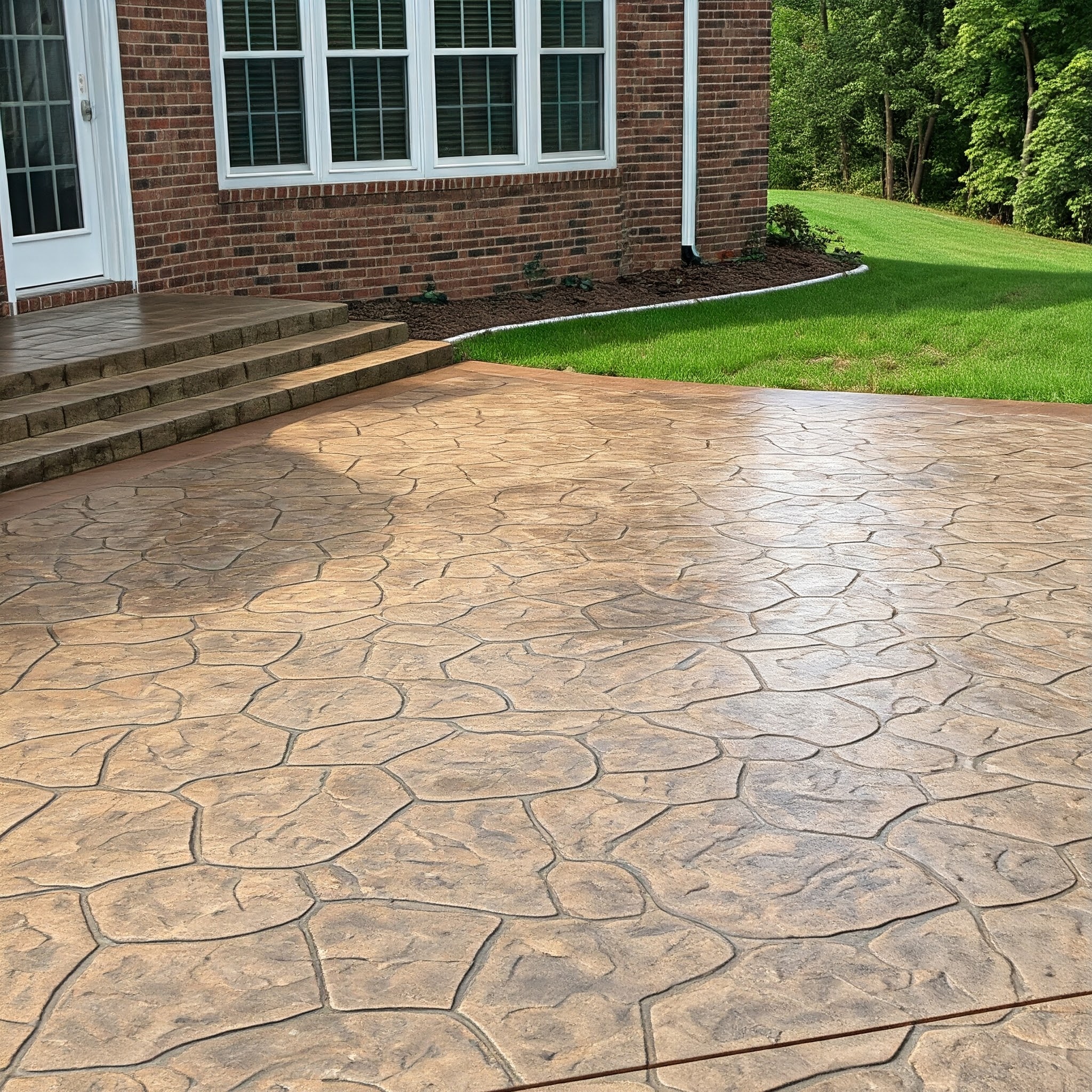
Stamped concrete is still one of the most popular methods for adding texture to patios. This technique involves pressing molds into the concrete while it’s still wet, creating patterns that mimic natural materials such as wood, stone, or brick. In 2024, look for even more intricate stamped designs, with sharper details and a wider variety of textures available.

Exposed aggregate concrete is another textured option, where the top layer of concrete is removed to reveal small stones and pebbles embedded within the mix. This finish creates a rustic, natural look that works well in both modern and traditional settings. It’s perfect for homeowners who want to bring the outdoors in, giving the patio a more organic and earthy feel.

Integrated Outdoor Features: Patios with Purpose

In 2024, concrete patios are no longer just about the surface—they are being integrated with other outdoor living features to create cohesive, functional spaces. Patios are now being designed with multiple uses in mind, combining seating areas, dining spaces, and even cooking stations, all within the same area.

Outdoor Kitchens and Fire Pits

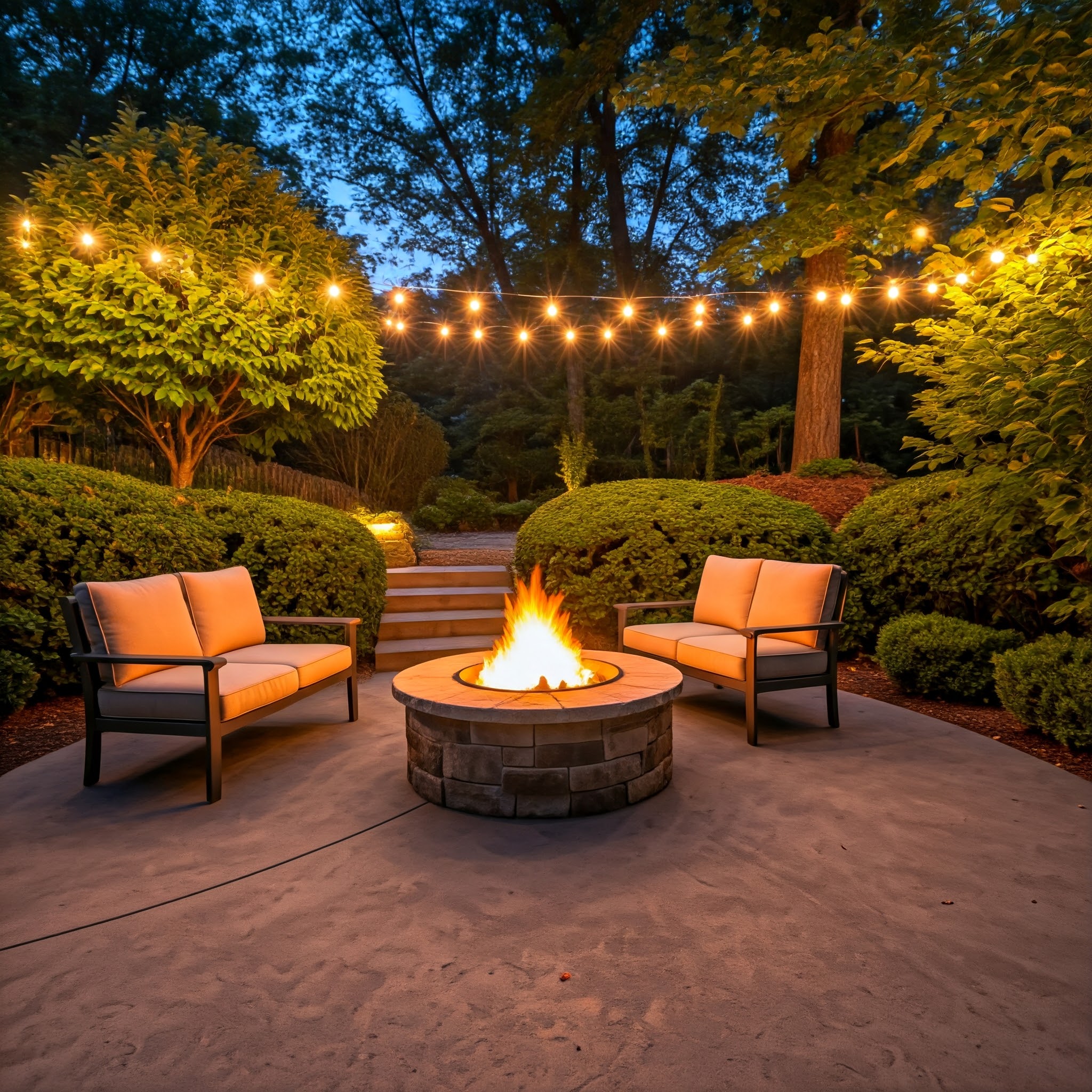
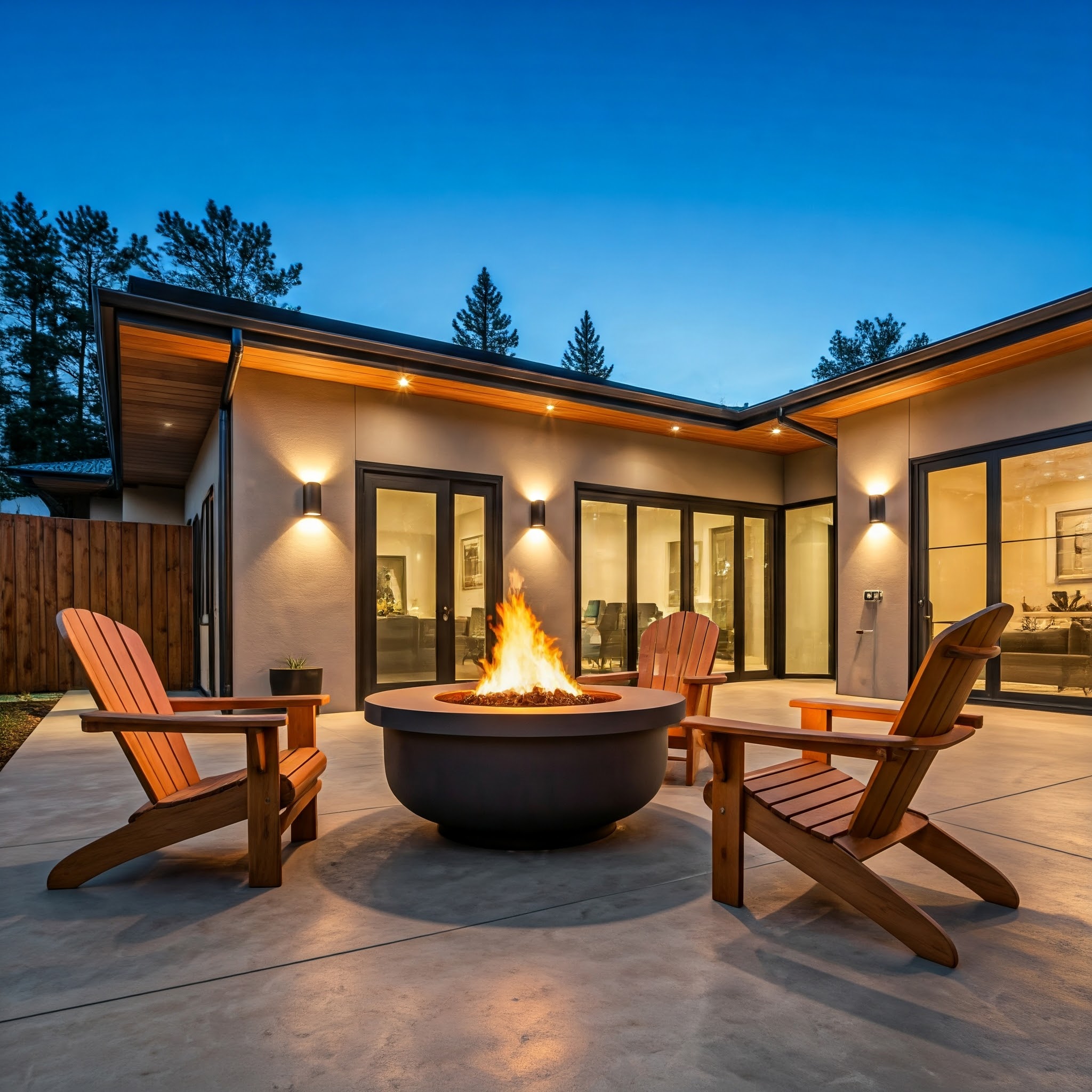
Concrete patios are a perfect base for outdoor kitchens and fire pits. The durability and heat-resistance of concrete make it ideal for supporting grills, stoves, and built-in counters. A fire pit or an outdoor fireplace also pairs beautifully with concrete, providing warmth and ambiance during cool evenings. These integrated features create a multifunctional space that encourages relaxation and socializing, while also adding value to your home.

Seamless Transitions

Seamless transitions between the patio and other outdoor features, such as walkways, gardens, and pool areas, are becoming increasingly popular. Using the same concrete material throughout the space can create a unified design that feels expansive and connected. For example, a concrete patio that flows smoothly into a poolside area or garden path gives the impression of a larger, more open space.

Stay Ahead of the Curve with the Latest Trends in Concrete Patio Design

As 2024 unfolds, concrete patios continue to evolve, offering more opportunities for homeowners to express their style and create functional outdoor spaces. Whether you’re drawn to minimalist designs, bold colors, or eco-friendly options, there’s a concrete patio trend for everyone. By staying up-to-date with the latest trends, you can ensure your outdoor space is both stylish and timeless, providing lasting value for your home. Liman Dexeris

Boost Your Home’s Curb Appeal with a Stunning Concrete Patio

When it comes to improving the aesthetic appeal of your home, few things can make as big of an impact as a beautifully designed patio. A well-installed concrete patio does more than just create an outdoor space for relaxation; it can significantly enhance your home’s curb appeal and increase its overall value. If you’re looking to give your home a facelift that boosts both its visual appeal and resale potential, a stylish concrete patio is a smart investment. 

Curb Appeal: The First Impression of Your Home

Curb appeal is the first thing potential buyers and guests notice when they approach your home. It’s a crucial factor in making a positive impression and can influence the perceived value of your property. A stunning concrete patio can be the focal point of your home’s exterior, drawing attention to your front or backyard and creating a welcoming atmosphere.

Why Concrete?

Concrete is a versatile material that can be customized to suit any style or aesthetic. Whether you prefer a clean, modern look or a more traditional design, concrete can be molded, stained, and textured to fit your vision. With a variety of finishes available, such as stamped, stained, or polished concrete, you can easily match your patio design to the architectural style of your home.

A well-designed patio enhances the overall appeal of your property, making it more inviting. It not only serves as an attractive feature but also provides a practical space for entertaining, relaxing, and enjoying your outdoor environment.

Design Flexibility: Tailor Your Concrete Patio to Your Style

One of the primary reasons concrete patios are so effective in boosting curb appeal is their design flexibility. Unlike other materials like wood or brick, concrete can be easily customized to achieve a wide range of styles and looks.

Stamped Concrete for a High-End Look

Stamped concrete allows you to mimic the appearance of high-end materials like stone, brick, or tile at a fraction of the cost. The stamped patterns create texture and depth, making your patio look luxurious and sophisticated. Whether you want a rustic stone finish or a sleek, modern design, stamped concrete gives you the ability to achieve the perfect look for your home.

Colored Concrete to Complement Your Home’s Exterior

Concrete patios can also be colored to match or complement your home’s exterior. Whether you prefer neutral tones or vibrant hues, you can select a color that enhances the overall aesthetic of your property. A well-coordinated color scheme between your patio and the rest of your home creates a harmonious look that will impress anyone who visits.

Creative Designs for Any Space

From simple geometric shapes to more intricate, custom designs, concrete patios can be tailored to fit any space. Whether you’re working with a small front porch or a sprawling backyard, concrete can be poured into any shape and size, allowing you to maximize the use of your outdoor area while creating a visually appealing layout.

Increase Property Value: A Smart Investment for the Future

A stunning concrete patio does more than just enhance your home’s curb appeal; it can also increase its market value. Homebuyers are often attracted to properties with well-maintained, stylish outdoor spaces, and a concrete patio offers a great return on investment (ROI).

ROI and Resale Value

Studies have shown that well-designed outdoor spaces can increase a home’s value by as much as 10-20%. A concrete patio is a long-term investment that not only provides you with an enjoyable outdoor area but also makes your home more appealing to potential buyers. Whether you plan to sell in the near future or just want to improve your home for personal enjoyment, a concrete patio can help you maximize your investment.

Durability That Pays Off

In addition to adding beauty and functionality, concrete patios are known for their durability. Unlike wood or pavers, which may need frequent repairs or replacements, concrete is built to last. It can withstand the harsh weather conditions common in Maryland, from hot summers to freezing winters, making it a low-maintenance, long-term solution. Buyers appreciate the durability and low upkeep associated with concrete patios, adding to your home’s appeal.

Seamlessly Integrate with Your Landscape

A concrete patio can be seamlessly integrated into your home’s landscape, creating a cohesive outdoor environment. Whether you have a lush garden, a manicured lawn, or an expansive backyard, a concrete patio serves as a solid foundation that ties all your outdoor features together.

Landscaping and Patio Integration

The clean lines of a concrete patio provide a neutral backdrop for the surrounding landscape. By adding decorative elements like planters, water features, or outdoor lighting, you can further enhance your patio’s appeal and integrate it with your overall landscape design. Concrete also allows for easy connection to other outdoor features such as pathways, seating areas, or even fire pits, creating a unified, functional outdoor living space.

Low Maintenance and Long-Term Appeal

A concrete patio not only boosts curb appeal but also provides lasting beauty with minimal maintenance. Unlike wood or other materials that require frequent upkeep, concrete is easy to care for and durable enough to withstand the test of time.

Easy to Clean and Maintain

Maintaining a concrete patio is simple, requiring only occasional cleaning and resealing every few years. Sealing the patio helps protect it from stains, dirt, and weathering, ensuring it continues to look great for years. This low-maintenance feature makes concrete patios an ideal choice for homeowners looking for a hassle-free, long-lasting outdoor space.

A Concrete Patio Enhances Your Home’s Curb Appeal and Market Value

A stylish concrete patio is not just an aesthetic addition to your home; it’s a smart investment that can boost your curb appeal, enhance your outdoor living space, and increase your property’s value. With its durability, low-maintenance care, and endless design possibilities, concrete patios provide long-term benefits for homeowners who want to create a welcoming, functional outdoor area. Whether you’re planning to sell or simply enjoy your home to the fullest, a concrete patio offers the perfect blend of style, value, and practicality. Juvthorix

Cost-Effective Patio Solutions: Why Concrete is a Smart Investment

When it comes to upgrading your outdoor living space, a patio is one of the best investments you can make. Whether you’re looking to entertain guests, enjoy family time, or simply relax in your backyard, a well-designed patio can add significant value to your home. But with so many materials available, how do you choose the best option for your budget? Concrete patios are quickly becoming the go-to choice for homeowners seeking a balance of affordability, durability, and style. In this article, we’ll break down the costs associated with concrete patios and explain why this versatile material offers the best return on investment compared to other patio materials.

Concrete Patios vs. Other Patio Materials: A Cost Comparison

The first step in determining whether concrete is the right choice for your patio is understanding how it compares to other materials in terms of cost. From pavers and wood to natural stone and tile, there are a variety of options available, each with its own price tag.

Concrete Patios: Affordable and Versatile

Concrete is one of the most cost-effective patio materials, especially when compared to natural stone, brick, or high-end pavers. The average cost of a poured concrete patio ranges from $6 to $15 per square foot, depending on factors like size, design, and installation complexity. This pricing makes concrete an attractive option for homeowners on a budget who don’t want to compromise on quality.

Additionally, concrete offers a wide range of customization options, from simple, smooth surfaces to stamped or stained finishes that mimic the look of stone or brick. Despite its affordable pricing, concrete can be made to look like more expensive materials without the high price tag.

Pavers and Natural Stone: Higher Initial Costs

Pavers and natural stone, while aesthetically pleasing, come at a higher cost. Pavers typically range from $10 to $25 per square foot, depending on the type and quality of the material. The installation process for pavers is also more labor-intensive, which drives up labor costs. Natural stone, on the other hand, can cost upwards of $20 per square foot, not including installation costs. While both of these materials offer beauty and durability, the higher cost can be prohibitive for some homeowners.

Long-Term Value: Concrete’s Durability and Low Maintenance

The true value of a patio lies not just in its initial cost but in how it performs over time. Concrete patios deliver excellent long-term value, offering durability and low maintenance that makes them a smart investment for your home.

Low Maintenance: Save Money Over Time

One of the biggest advantages of concrete is its low-maintenance nature. Once installed and sealed, concrete patios require very little upkeep compared to other materials like wood or pavers. Wood decks, for instance, need to be regularly sealed, stained, and treated to prevent rotting, splintering, and weather damage. Pavers, too, require ongoing maintenance to keep them level and prevent weeds from growing between them.

Concrete, on the other hand, only needs to be resealed every few years to protect it from stains, water damage, and weathering. An occasional cleaning is all that’s required to keep your concrete patio looking great. This low maintenance translates into savings over time, as you won’t need to spend money on repairs, replacements, or regular treatments.

Longevity: Concrete’s Long-Lasting Durability

Concrete patios are built to last. When properly installed and sealed, concrete can withstand the elements and last for decades with minimal signs of wear. Unlike wood, which can rot, splinter, and decay, or pavers, which can shift or crack over time, concrete patios maintain their integrity and appearance for much longer. Even in areas with harsh weather conditions, concrete can endure temperature fluctuations, heavy rain, and even snow without suffering significant damage.

The durability of concrete ensures that your patio will remain a valuable asset to your home for years to come, making it a wise long-term investment.

Design Flexibility Without the Premium Price Tag

Another reason concrete patios offer the best return on investment is the incredible design flexibility they offer at an affordable price. Whether you want a basic, functional space or a decorative, custom-designed patio, concrete can deliver the look you desire without the steep price.

Stamped Concrete: Luxury Look, Budget Price

Stamped concrete is a popular choice for homeowners who want the appearance of expensive materials like stone, brick, or tile, but without the hefty price tag. Stamped concrete involves pressing molds into the surface of freshly poured concrete to create intricate patterns and textures. This process allows you to mimic the look of high-end materials while keeping costs down.

Stamped concrete can be stained in a variety of colors, adding depth and dimension to the surface. This level of customization gives homeowners the ability to create a luxurious, high-end look without the premium price associated with natural stone or custom pavers.

Colored Concrete: Tailored to Your Aesthetic

Colored concrete is another affordable option for homeowners who want to personalize their patio. By adding dyes or stains to the concrete mix, you can create custom hues that match your home’s exterior or landscaping. This allows you to achieve the exact look you want, whether that’s a modern gray or a warm, earthy tone, without paying for expensive materials or custom finishes.

Concrete Patios Increase Home Value: An Investment in Your Property

Beyond the immediate enjoyment of your new patio, concrete patios can also increase the value of your home. A well-designed, durable patio can be a selling point for prospective buyers, making your property more appealing on the market. In fact, a concrete patio can yield a return on investment (ROI) of 50-75%, depending on the quality of the installation and the design features.

If you’re looking to sell your home in the future, a concrete patio can boost your home’s curb appeal and provide a functional outdoor living space that many buyers are seeking. Whether you’re hosting outdoor parties, grilling with family, or simply enjoying a quiet evening, the addition of a concrete patio can enhance your quality of life while adding long-term value to your home.

Concrete Patios: A Smart, Affordable Investment for Maryland Homeowners

For homeowners in Maryland, concrete patios are particularly well-suited to the local climate. Maryland experiences a wide range of weather conditions, from hot summers to freezing winters. Concrete’s ability to withstand temperature fluctuations, moisture, and heavy foot traffic makes it an ideal choice for outdoor living spaces in this region.

Affordable and Practical

Concrete patios offer an affordable solution for homeowners who want to maximize their backyard space without spending a fortune. With their low upfront costs, low maintenance, and long lifespan, concrete patios provide significant value compared to other materials. Whether you’re creating a simple patio or a more elaborate outdoor living space, concrete offers the flexibility and durability you need, all at a price that won’t break the bank.

Concrete Patios Deliver Affordability and Quality

In conclusion, concrete patios provide the perfect balance of affordability, durability, and style. Whether you’re looking for a low-maintenance option, a customizable design, or a long-lasting investment, concrete offers the best value compared to other patio materials. By choosing concrete for your outdoor space, you’re making a smart financial decision that will pay off in the long run. A concrete patio enhances your home’s aesthetic, functionality, and value, all while staying within your budget. For Maryland homeowners, concrete patios are truly the smart investment that combines quality with cost-effectiveness. Juvthorix

Enhance Your Backyard with a Concrete Patio and Outdoor Living Features

When it comes to transforming your backyard into a functional and aesthetically pleasing space, a concrete patio provides the perfect foundation. Whether you envision hosting summer barbecues, relaxing with family by a fire pit, or creating an outdoor kitchen, a concrete patio can be seamlessly integrated with a variety of outdoor living features. In this blog, we’ll explore how concrete patios serve as the ideal starting point for creating a complete outdoor living area, with options such as fire pits, pergolas, and even fully equipped kitchens.

The Versatility of Concrete Patios in Outdoor Living Spaces

Concrete patios are incredibly versatile, offering both durability and the ability to complement various outdoor features. Unlike traditional wood decks, which can deteriorate over time, concrete patios provide a sturdy base that stands up to the elements. Whether you’re looking for a simple, modern design or a more intricate setup, concrete can be customized to suit any style.

Customization Options

Concrete patios are perfect for homeowners who want flexibility in their outdoor space. With options like stamped concrete, stained finishes, or even decorative overlays, you can create a patio that matches the look and feel of your home’s architecture. Concrete can mimic the appearance of natural stone, brick, or wood, giving you the freedom to design the outdoor living space of your dreams.

The seamless finish of concrete also makes it easier to integrate additional features, whether you’re installing a fire pit, building a pergola, or setting up an outdoor kitchen. The solid, level surface ensures stability and long-lasting performance, no matter what features you choose to add.

Creating an Outdoor Kitchen: The Perfect Patio Addition

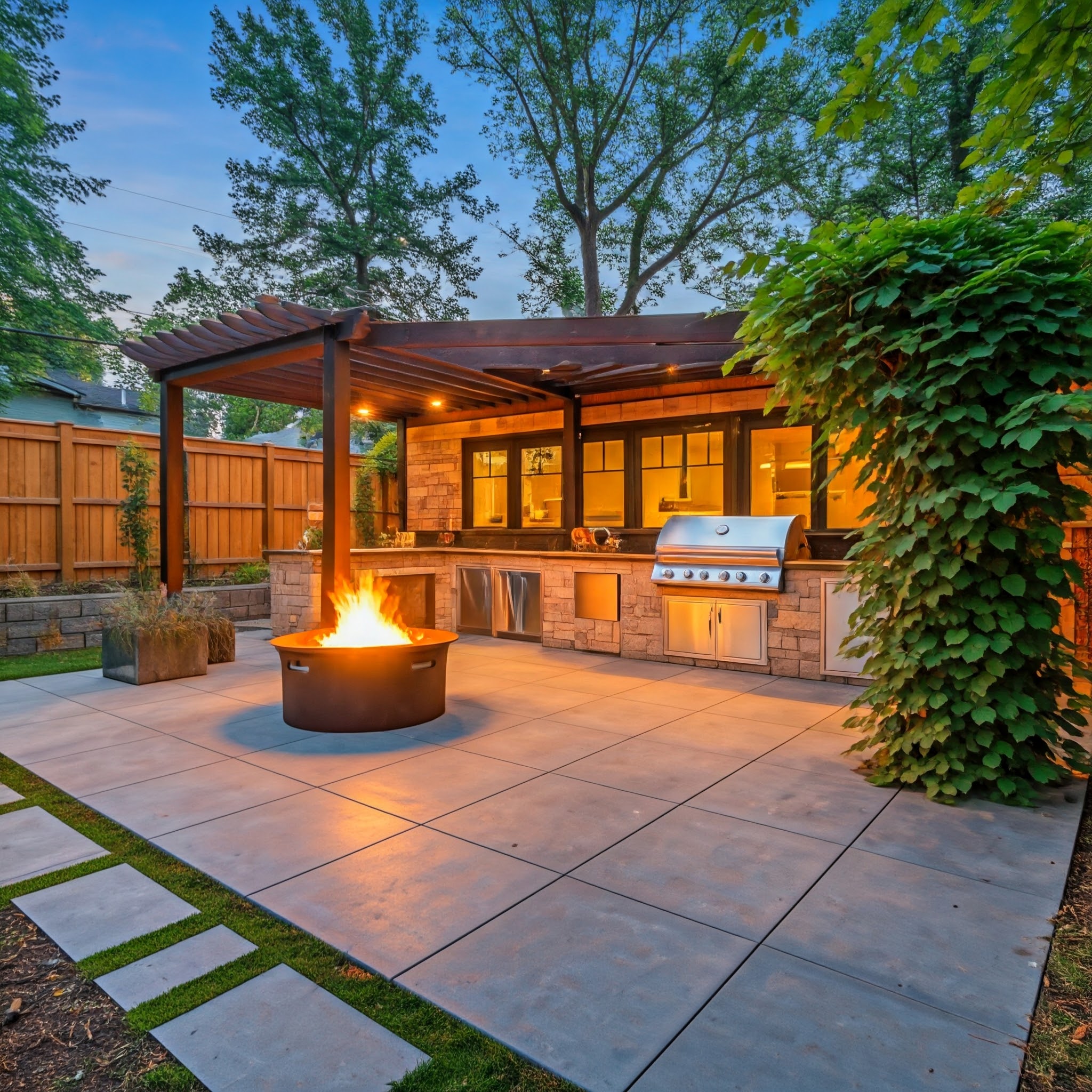
An outdoor kitchen is a fantastic way to enhance your backyard patio and turn it into a gathering space for family and friends. With the right setup, you can cook, entertain, and enjoy meals outside all year round. A concrete patio provides the solid foundation needed to support a built-in grill, countertops, and cabinets for your outdoor cooking area.

Why Concrete Works for Outdoor Kitchens

Concrete patios are highly durable, making them the ideal surface for outdoor kitchens. Not only is concrete heat-resistant, but it also offers easy maintenance, making it simple to clean up after a barbecue or family dinner. A concrete patio can accommodate appliances like outdoor refrigerators, sinks, and stoves, offering a versatile foundation for a complete outdoor kitchen setup.

To take it to the next level, you can design your outdoor kitchen to complement your concrete patio’s finish, whether you’re choosing a sleek, modern look or a rustic stone aesthetic. Concrete countertops are also a popular option for outdoor kitchens due to their durability and customization potential.

Adding a Fire Pit: Warmth and Ambiance for Your Patio

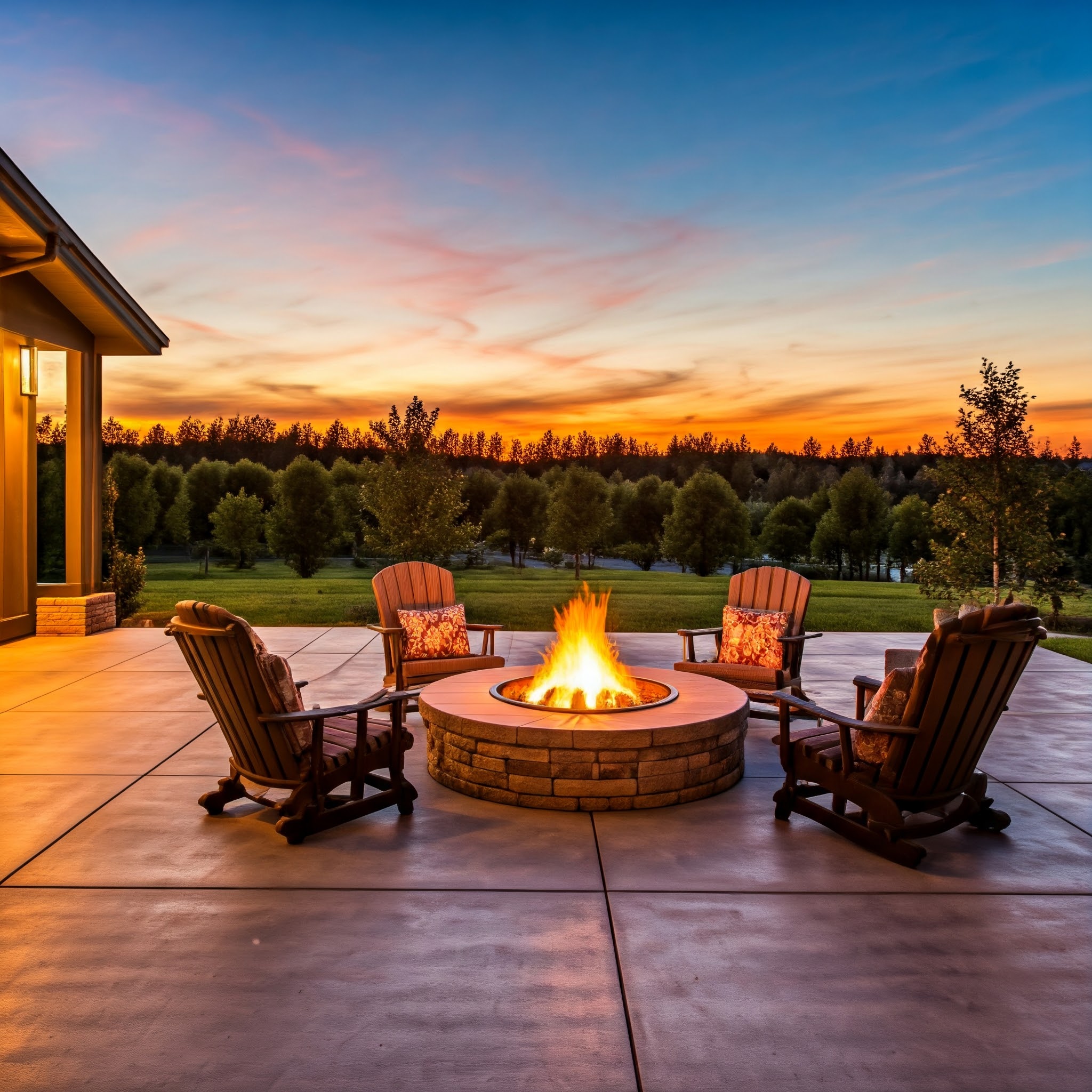
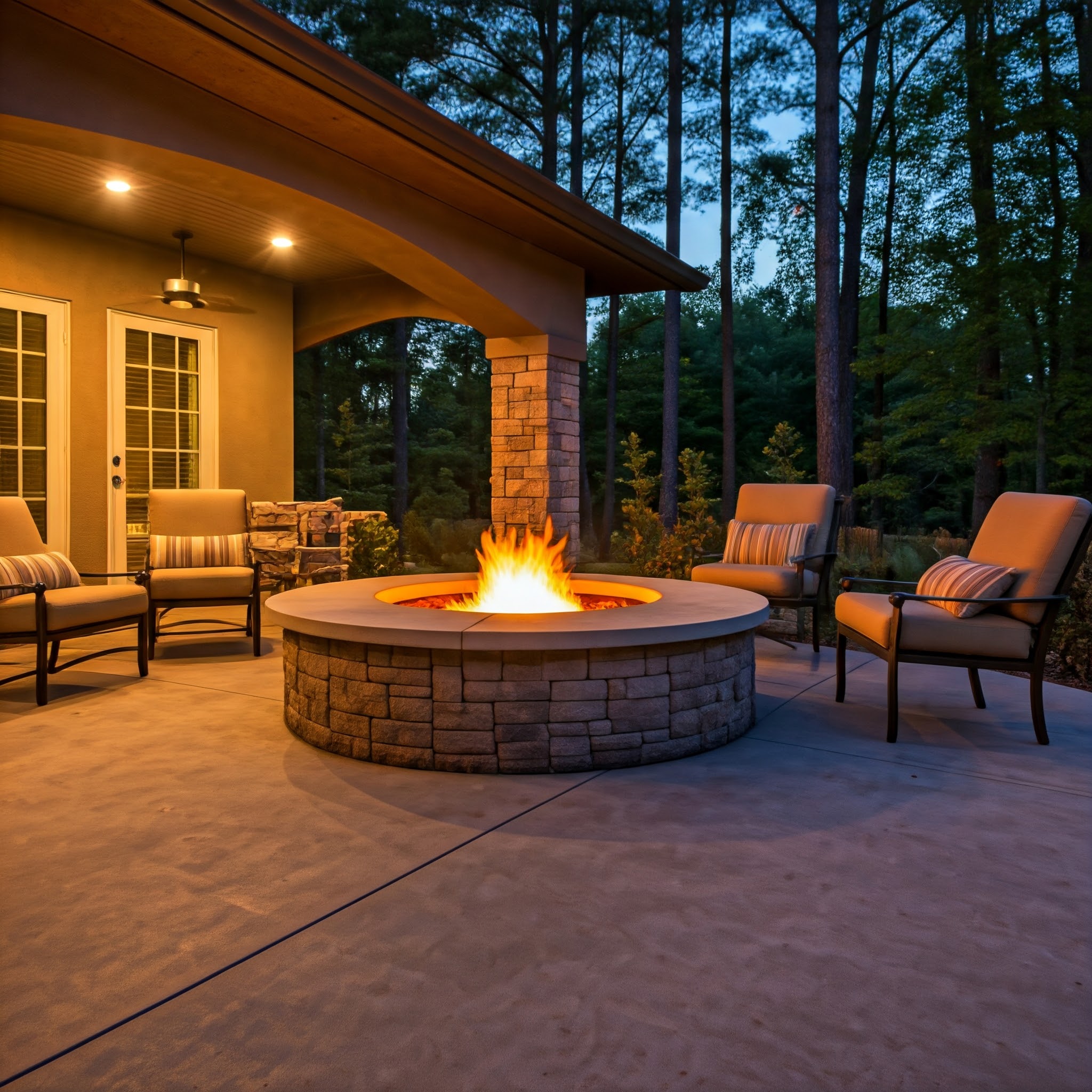
A fire pit is one of the most popular features homeowners add to their backyard patios. Not only does it create a cozy ambiance, but it also serves as a great place to gather during chilly evenings. Whether you opt for a traditional wood-burning fire pit or a gas-powered version, concrete patios provide a solid, stable surface for this feature.

How Concrete Patios Enhance Fire Pit Areas

Concrete patios can be designed with a designated space for your fire pit, ensuring that it is safely incorporated into the layout. Whether you want a circular, square, or custom-shaped fire pit, concrete allows for flexibility in design. Additionally, the heat resistance of concrete makes it an excellent choice for fire pit areas, as it won’t warp, crack, or get damaged from heat exposure.

When combined with comfortable seating and outdoor lighting, a fire pit on your concrete patio can become the focal point of your backyard, providing warmth and creating a relaxing atmosphere for social gatherings.

Installing a Pergola: Shade and Style for Your Concrete Patio

If you’re looking to create a shaded retreat in your backyard, a pergola is a fantastic addition to a concrete patio. A pergola adds architectural interest and provides a comfortable space to relax and entertain outdoors, offering partial shade while still allowing natural light to filter through.

Why a Pergola Complements a Concrete Patio

Concrete patios work well with a pergola due to their solid foundation, which can support the weight of the structure. Whether you prefer a traditional wooden pergola or a more modern, metal design, concrete offers the stability needed to ensure the structure remains secure for years. Additionally, the open design of a pergola can be easily integrated with the surrounding landscape, giving you a customizable, inviting space to enjoy.

With a pergola, you can add climbing plants, hanging lights, or even curtains to create a more private and cozy environment. The combination of a pergola and concrete patio provides the perfect balance of function, style, and comfort.

Other Outdoor Living Features to Consider

While outdoor kitchens, fire pits, and pergolas are popular patio additions, there are many other features that can enhance your backyard experience. Some additional outdoor living features to consider include

  • Outdoor Bar Areas: Perfect for entertaining, an outdoor bar area can be seamlessly integrated into your concrete patio, providing a space for drinks and socializing.
  • Water Features: Add a tranquil touch to your patio with fountains, ponds, or waterfalls that can be installed alongside your concrete patio.
  • Built-In Seating: For a more cohesive look, built-in seating can be incorporated into your patio design, creating a functional and stylish way to accommodate guests.
  • Outdoor Lighting: Install lighting along your concrete patio to create a welcoming ambiance for nighttime use. From string lights to recessed lighting, there are endless options to choose from.

A Concrete Patio Transforms Your Backyard into a Complete Outdoor Living Space

A concrete patio serves as the ideal foundation for a wide range of outdoor living features, transforming your backyard into an inviting, functional space. Whether you’re adding a fire pit for warmth, a pergola for shade, or an outdoor kitchen for entertaining, concrete patios provide the durability and versatility needed to bring your vision to life.

With the ability to customize your patio with various finishes and the flexibility to incorporate numerous outdoor living features, a concrete patio can truly elevate your outdoor space. If you’re looking to maximize your backyard’s potential, investing in a concrete patio is a step toward creating an all-encompassing outdoor living area where you can enjoy comfort, style, and relaxation for years to come. Alza Fintrion

Concrete Patio vs. Pavers: Which is Right for Your Maryland Home?

When it comes to designing your outdoor living space, choosing the right patio material is crucial. Two of the most popular options for Maryland homeowners are concrete patios and pavers. Both provide distinct advantages, but they come with different costs, maintenance requirements, and installation processes. To help you make an informed decision, we’ll compare the pros and cons of concrete patios and pavers, covering aspects like durability, aesthetics, and long-term value. 

Cost Comparison: Concrete Patios vs. Pavers

One of the first factors homeowners consider when choosing a patio material is cost. Both concrete patios and pavers can be affordable, but they differ in terms of initial costs and long-term value.

Concrete Patios: An Affordable Investment

Concrete patios are generally more budget-friendly upfront compared to pavers. A standard poured concrete patio typically costs less in terms of materials and labor. The ease of pouring concrete as a continuous slab makes installation quicker and less labor-intensive, which further reduces costs. For homeowners on a budget, concrete provides a solid option without sacrificing durability or style.

Additionally, concrete allows for greater customization at a lower price point. With options like stamped concrete or stained finishes, you can achieve a high-end look without breaking the bank. On average, concrete patios cost around $6 to $15 per square foot, depending on the complexity of the design and the installation site.

Pavers: Higher Initial Costs

Pavers, made from natural stone, concrete, or brick, typically cost more than poured concrete due to the labor-intensive installation process. Each individual paver must be carefully placed, and the installation requires more time and effort. The material itself can also be more expensive, especially for high-end pavers made from stone or custom designs. On average, pavers can cost anywhere from $10 to $25 per square foot, depending on the type and quality of the paver selected.

While pavers can be more expensive upfront, their aesthetic appeal and variety of design options may make them worth the extra investment for some homeowners.

Maintenance: Concrete Patios vs. Pavers

Long-term maintenance is another important factor to consider when choosing between concrete and pavers. Both materials require some upkeep, but the amount of maintenance varies between the two.

Concrete Patios: Low Maintenance

Concrete patios are known for their low-maintenance nature. Once installed and sealed, concrete requires very little attention. The smooth surface makes it easy to clean, and periodic sealing helps prevent stains, water damage, and cracking. In terms of long-term care, concrete typically only needs resealing every 2 to 3 years, depending on weather conditions and usage.

While concrete is resistant to cracking, it can still experience surface wear or small cracks over time. However, these are usually easy to repair with concrete patching products or professional assistance. Compared to pavers, concrete is generally easier and less costly to maintain.

Pavers: More Maintenance Required

Pavers require more upkeep, as individual pavers may shift or settle over time. While pavers are durable, weeds can grow between them, and the joints may require periodic re-sanding. Additionally, you may need to reset or replace pavers if they become uneven or cracked. Pavers may also need to be resealed every few years to prevent staining and fading.

While pavers are highly durable, their maintenance requires more time and effort compared to concrete, making them less ideal for homeowners seeking a low-maintenance solution.

Installation Time: Concrete Patios vs. Pavers

The installation process for both concrete patios and pavers can vary, but generally, concrete patios are quicker and easier to install.

Concrete Patios: Faster Installation

Concrete patios are quicker to install because the material is poured as a continuous slab, and the process is generally less labor-intensive. Installation typically takes just a few days, with the concrete being poured and smoothed over the designated area. Once the concrete is set and cured, the patio is ready to use. The faster installation time can help homeowners save money on labor costs, making concrete a more appealing option for those on a tight schedule.

Pavers: Longer Installation Time

Installing a paver patio takes longer, as each paver must be individually placed and secured. The installation process also involves laying a proper base layer, compacting the soil, and ensuring the pavers fit together perfectly. Depending on the size and complexity of the design, installing a paver patio can take anywhere from several days to a few weeks. The additional labor and time involved in installing pavers result in higher costs.

Durability: Concrete Patios vs. Pavers

Durability is a key consideration when selecting patio materials, especially in areas with extreme weather conditions, like Maryland.

Concrete Patios: Strong and Long-Lasting

Concrete is known for its strength and durability. When properly installed and sealed, a concrete patio can last for decades with minimal maintenance. Concrete is also resistant to many of the issues that can affect other patio materials, such as moisture absorption, fading, and surface deterioration.

However, concrete can crack over time due to settling or extreme temperature fluctuations. While these cracks are usually minor and easy to repair, they can affect the overall appearance of the patio if not addressed. To prevent cracking, it’s important to ensure proper installation and allow the concrete to cure fully before using the patio.

Pavers: Extremely Durable

Pavers are highly durable and can last for many years with proper maintenance. Because they are individual units, pavers have the ability to shift slightly without cracking, making them a good choice for areas with unstable soil or where settling is common. Pavers are also resistant to surface wear and can handle the weight of vehicles or heavy objects without damage.

While pavers can withstand extreme weather conditions, they may need to be reset or replaced if they become uneven or damaged. With proper care, however, paver patios can last just as long as concrete patios.

Aesthetic Appeal: Concrete Patios vs. Pavers

Both concrete and pavers offer a variety of design options, but they differ in terms of customization and style.

Concrete Patios: Versatile and Customizable

Concrete patios can be easily customized through various techniques such as stamping, staining, or engraving. These options allow homeowners to achieve the look of high-end materials like stone, brick, or wood without the added cost. Concrete can also be colored to match the home’s exterior, giving homeowners flexibility in design.

While concrete provides a clean, modern look, it may lack the texture and variety offered by pavers. However, with the right finishes and patterns, concrete can be made to complement almost any style.

Pavers: Aesthetic Flexibility

Pavers offer a wider range of textures, colors, and designs compared to concrete. Whether you prefer the look of natural stone, brick, or cobblestone, there is a paver option that can achieve the desired effect. Pavers also allow for intricate patterns and designs, making them ideal for homeowners who want a more customized or traditional appearance.

However, the variety of pavers means more decisions to make, and the installation process can be more complicated due to the numerous pieces involved. Still, the visual appeal of pavers cannot be overlooked, especially for those who prefer a more classic, varied look for their patio.

Concrete Patios Often Offer Greater Value

When comparing concrete patios and pavers, it’s clear that both materials have their advantages. Concrete patios offer a more affordable upfront cost, faster installation, and low-maintenance care, making them a great value for homeowners looking for durability and efficiency. On the other hand, pavers offer greater customization and an aesthetic variety that can create a unique and timeless look. However, they come with higher initial costs, more maintenance, and longer installation times.

For many Maryland homeowners, concrete patios provide the best overall value, combining affordability, durability, and ease of maintenance. Whether you’re looking for a stylish outdoor area to entertain guests or a long-lasting space to enjoy with family, concrete patios are a smart choice that will deliver lasting beauty and functionality. Juvthorix

How to Maintain Your Concrete Patio for Long-Lasting Beauty

A concrete patio is a valuable addition to any home, offering a versatile and durable outdoor living space. But like any investment, it requires some care to ensure it retains its beauty and functionality over time. Fortunately, concrete patios are relatively low-maintenance compared to other materials, but a little upkeep goes a long way in preserving their charm and longevity. This article provides step-by-step guidance on maintaining your concrete patio, including cleaning, sealing, and repairing minor cracks. By following these simple maintenance tips, your concrete patio can remain a beautiful and functional feature of your home for years to come.

Routine Cleaning: The First Step to Patio Care

Keeping your concrete patio clean is the most basic yet important step in maintaining its appearance. Over time, dirt, leaves, and other debris can accumulate on your patio, detracting from its look. Regular cleaning not only helps to preserve the concrete’s aesthetic but also prevents staining and deterioration.

Sweep Regularly

Sweeping your patio frequently is essential to prevent dirt and debris from settling into the surface. A broom with stiff bristles will help remove loose dirt, leaves, and other small particles that could otherwise leave stains or cause the surface to become slippery when wet.

Wash With Water and Mild Soap

For a more thorough clean, wash your concrete patio with a hose or pressure washer. If you’re using a pressure washer, make sure the nozzle is set to a low or medium setting to avoid damaging the surface. Add a mild soap or concrete cleaner to the water to remove stubborn dirt and grime. Avoid harsh chemicals, as they can erode the sealant and cause discoloration over time.

Remove Stains Promptly

Concrete is a porous material, which means it can absorb liquids that may cause stains. Whether it’s spilled food, oil, or drink, it’s important to clean up stains quickly before they penetrate the surface. Use a degreaser for oil stains, and a mixture of water and vinegar for other common stains. For tougher stains, a concrete cleaner or poultice may be necessary.

Sealing Your Concrete Patio: A Protective Barrier

Sealing your concrete patio is one of the most effective ways to maintain its beauty and protect it from the elements. Concrete sealers form a protective barrier on the surface, helping to prevent water, stains, and dirt from being absorbed into the material.

When to Seal Your Patio

Generally, concrete patios should be resealed every two to three years, depending on usage and the climate. If your patio is subjected to heavy traffic or harsh weather conditions, you may need to seal it more frequently. Look for signs that your concrete is no longer sealed, such as discoloration, water soaking into the surface, or stains that won’t wash away.

Choosing the Right Sealer

There are various types of concrete sealers, including acrylic, epoxy, and penetrating sealers. Acrylic sealers provide a glossy finish and are great for enhancing the color of your patio, while epoxy and polyurethane sealers offer a durable, long-lasting finish ideal for high-traffic areas. Penetrating sealers, which sink into the concrete rather than sitting on top, are perfect for those who prefer a more natural look and want to preserve the surface’s texture.

How to Seal Your Concrete Patio

Before applying a sealer, ensure that the concrete is clean and dry. Use a roller or sprayer to apply the sealer evenly across the surface, working in small sections at a time. Follow the manufacturer’s instructions carefully and allow the sealer to dry fully before using the patio. Always wear protective gloves and ensure proper ventilation when working with sealers.

Repairing Minor Cracks: Keep Your Patio Strong

Even the most durable concrete patios can develop small cracks over time due to natural settling, temperature fluctuations, or heavy use. While these cracks may not seem like a big deal at first, they can worsen if left untreated, allowing moisture to seep in and cause further damage.

Identify the Type of Crack

It’s important to first determine the cause and severity of the crack. Hairline cracks are typically caused by shrinkage and are usually harmless. However, larger cracks may be the result of settling or poor installation. If the cracks are deep or growing over time, it’s best to consult a professional for a more thorough inspection.

Repairing Hairline Cracks

For hairline cracks, you can use a concrete patching compound to fill them. Simply clean the crack by brushing out any debris, then apply the patching compound with a putty knife. Smooth the surface and allow it to dry completely. After the repair, seal the area to prevent water from entering and causing further damage.

Fixing Larger Cracks

Larger cracks may require a more detailed repair process. If the crack is wide or deep, you can fill it with a concrete repair caulk or use a concrete resurfacer to level the entire area. Once the crack is filled, the surface should be smoothed and sealed to prevent future damage.

When to Call a Professional

If you notice extensive cracking, sinking, or signs of water damage beneath the surface, it’s best to hire a professional contractor to inspect and repair your concrete patio. They may need to lift the concrete or replace damaged sections to restore the patio’s integrity.

Protecting Against Weather Damage: Year-Round Care

Maryland’s weather conditions can be tough on your patio, with hot summers, chilly winters, and frequent rain. Concrete patios are designed to be weather-resistant, but a little extra care during extreme weather can help extend their lifespan.

Winter Precautions

In the winter, snow and ice can cause wear and tear on your patio. Use a plastic shovel to remove snow to prevent scratching or chipping the surface. Avoid using salt or other chemicals to melt ice, as these can damage the concrete over time. Instead, opt for sand or a non-corrosive ice melt product that is safe for concrete.

Summer Heat

During the hot summer months, the intense heat can cause concrete to dry out, which may lead to cracks. To prevent this, ensure your patio is regularly cleaned and sealed to protect the surface. Using an umbrella or canopy can also help protect your patio from constant exposure to the sun.

Long-Term Care: Preventive Measures to Preserve Your Patio

While routine cleaning, sealing, and crack repair go a long way in preserving the look and functionality of your concrete patio, there are a few preventive measures you can take to ensure its long-term care:

  • Furniture Pads: If you place furniture or grills on your patio, consider using protective pads underneath to prevent scratches or stains.
  • Avoid Heavy Traffic: While concrete is durable, excessive weight can lead to cracks. Try to keep heavy vehicles or equipment off the patio whenever possible.
  • Routine Inspections: Perform an annual inspection of your concrete patio to check for any signs of damage. Addressing minor issues early on can prevent costly repairs down the road.

Protect Your Investment with Simple Maintenance

With proper care and maintenance, your concrete patio can remain a beautiful and functional space for years to come. Regular cleaning, sealing, and minor repairs can go a long way in preserving the integrity and appearance of your patio. By taking a proactive approach to maintenance, you’ll ensure that your concrete patio continues to provide a welcoming, durable outdoor area for your family and guests—season after season. Alza Fintrion

Why Concrete Patios Are Perfect for Maryland’s Four Seasons

When it comes to designing an outdoor space, one of the most important factors to consider is how well the materials will withstand the changing seasons. In Maryland, where the weather can swing from sweltering summers to harsh winters, choosing a patio material that can endure year-round is essential. Concrete patios are not only durable and cost-effective but also the perfect solution for Maryland’s diverse climate. 

Concrete’s Resilience in Maryland’s Climate

Maryland experiences a range of weather conditions throughout the year, making it crucial to choose a patio material that can handle everything from scorching heat to heavy snowfalls. Concrete patios offer outstanding resilience, ensuring that they won’t crack, warp, or deteriorate under the pressure of fluctuating temperatures and weather extremes.

Summer Heat: Concrete Keeps Its Cool

Summer temperatures in Maryland can soar, especially in July and August, with highs often reaching the 90s. Many materials, like wood or certain stone options, can expand or contract with heat, leading to warping, cracking, or fading. Concrete, on the other hand, holds up remarkably well in high temperatures. While it does absorb heat from the sun, concrete patios are designed with thermal mass properties that allow them to slowly release stored heat after the sun sets, keeping your patio cool and comfortable in the evening.

Unlike wood, which can splinter, fade, or rot under intense sunlight, concrete remains solid and unyielding, offering consistent performance in the summer months. Concrete is also a low-maintenance material that won’t require ongoing treatments like staining or sealing to protect it from UV damage, making it ideal for homeowners who want a patio that performs well without constant upkeep.

Winter Snow: Concrete Resists the Freeze-Thaw Cycle

Maryland winters can be unpredictable, with temperatures frequently dipping below freezing and snowstorms sometimes making an appearance. These temperature fluctuations are particularly tough on outdoor materials. When moisture gets into cracks in porous materials like stone or brick and freezes, it can cause expansion, leading to cracks and damage. Fortunately, concrete is highly resistant to this freeze-thaw cycle.

When properly installed and sealed, concrete patios are less likely to absorb moisture, preventing the expansion that causes cracking in other materials. The durability of concrete allows it to withstand freezing temperatures without compromising its structural integrity. Additionally, concrete patios are easy to shovel or plow, so you don’t have to worry about snow buildup damaging the surface. Just a simple sweep or a light spray with a hose is all it takes to keep your concrete patio in top shape during winter.

Weather Resistance: Concrete’s Durability Across Seasons

One of the standout features of concrete patios is their ability to resist moisture, which is especially important in Maryland, where rain and humidity levels fluctuate throughout the year. Concrete is a non-porous material, meaning it doesn’t absorb water like wood or some stones. This quality allows concrete to remain stable even in wet conditions, making it a perfect choice for Maryland’s rainy springs and fall seasons.

Moisture Resistance: A Must for Maryland’s Wet Weather

The heavy rainfall and humidity that Maryland experiences during its spring and fall months can wreak havoc on outdoor spaces, especially those made from less durable materials. Wood patios may warp or rot when exposed to moisture, while stone patios may become slippery and difficult to maintain. Concrete, on the other hand, resists moisture absorption and is much more durable in wet conditions.

For additional moisture resistance, homeowners can apply a protective sealant to their concrete patio. This helps to further protect the surface from water damage, mold, and mildew, keeping the patio looking pristine year-round.

Temperature Fluctuations: Concrete’s Flexibility in All Seasons

Maryland’s unpredictable temperature swings can be tough on outdoor materials. A single day can begin with a cool morning, heat up in the afternoon, and then dip to freezing temperatures by nightfall. These fluctuations cause many materials to expand and contract, leading to cracks and other damage. Concrete, however, is able to withstand these temperature fluctuations with minimal movement.

Unlike materials that are prone to expansion and contraction, concrete remains largely unaffected by temperature swings. This stability is a major advantage, ensuring that your patio retains its appearance and structural integrity no matter the weather. Additionally, since concrete patios are custom-poured, they can be designed to suit any outdoor layout, from cozy, intimate spaces to expansive areas for entertaining.

All-Season Comfort: Concrete Is Perfect for Outdoor Living Year-Round

While Maryland’s weather may vary from season to season, one thing remains constant: the desire for an outdoor living space. With a concrete patio, you can enjoy your outdoor space throughout the year, whether you’re hosting a summer barbecue or cozying up with a warm drink in the winter.

Heat Reflection: Stay Cool in the Summer

During the hot summer months, your concrete patio can be an inviting place to relax, thanks to its heat-reflective properties. As mentioned, concrete absorbs and slowly releases heat, providing a cooling effect during the evening when the temperature drops. This makes it a more comfortable option than other materials like brick or flagstone, which can hold onto heat well into the night.

Concrete also reflects heat during the day, helping to keep your patio cooler under the harsh summer sun. This means that your outdoor space remains a comfortable and enjoyable environment, even when the temperature rises.

Winter Warmth: Concrete Is a Perfect Base for Fire Pits and Heaters

When the cold sets in, a concrete patio offers a strong, reliable surface for adding a fire pit or outdoor heaters. Fire pits can provide the warmth needed to enjoy your patio during the colder months, and concrete’s ability to retain heat means it will help you stay cozy long after the fire has been lit. Additionally, since concrete is fire-resistant, you can rest assured that your patio will remain safe, even with heat sources nearby.

Low Maintenance: Concrete’s All-Season Durability

One of the most appealing aspects of concrete patios is their low-maintenance nature, particularly when compared to wood or stone options. Concrete requires very little upkeep, making it an ideal choice for homeowners who want an outdoor space that looks great and performs well without constant care.

During the warmer months, all you need is an occasional sweep or light wash to keep your concrete patio clean. In the winter, a light snow removal process and an occasional resealing every few years are all that’s needed to maintain your patio’s performance. The durability of concrete makes it a practical choice for those who want a long-lasting patio with minimal work.

Concrete Patios Are Resilient and Reliable Year-Round

Concrete patios are an excellent choice for homeowners in Maryland looking for an all-season solution for their outdoor living spaces. Whether it’s enduring the summer heat, the freezing cold of winter, or the dampness of spring and fall, concrete remains durable, weather-resistant, and low-maintenance. The ability to customize your concrete patio with various patterns and colors only adds to its appeal, making it a versatile and stylish choice for any home.

With concrete, Maryland homeowners can enjoy their patios year-round, without the stress of constant maintenance or repairs. Concrete patios are truly built to last, providing a reliable, beautiful, and practical solution for every season. If you’re looking for a patio that can handle Maryland’s ever-changing weather while adding value and comfort to your home, concrete is the perfect option. Bitnex Crestfort

Stamped Concrete Patios: Designs and Ideas for Your Outdoor Space

When it comes to designing a beautiful outdoor patio, homeowners are constantly searching for a way to combine aesthetic appeal with long-lasting durability. Enter stamped concrete patios—an innovative solution that allows you to enjoy the best of both worlds. Whether you’re envisioning a natural stone look or a sleek modern design, stamped concrete offers virtually limitless possibilities. This article explores popular stamped concrete patterns, provides inspiration for your outdoor space, and offers valuable tips on installation and maintenance. If you’re in Maryland and looking to elevate your patio design, read on for all the creative and practical insights you need.

What is Stamped Concrete?

Stamped concrete, also known as imprinted or textured concrete, involves pressing molds into freshly poured concrete to create a variety of patterns and textures. Unlike traditional concrete, which has a flat, uniform appearance, stamped concrete allows homeowners to mimic the look of natural materials such as stone, brick, tile, or even wood. This process gives the concrete a customized, high-end appearance without the expensive price tag of real materials.

The result is a concrete patio that not only stands out but also offers impressive durability. Whether you’re aiming for a rustic, natural feel or a sleek, modern look, stamped concrete allows you to achieve your desired style with minimal upkeep.

Popular Stamped Concrete Patterns

Stamped concrete opens up a whole world of design options. Here are some of the most popular stamped concrete patterns that homeowners in Maryland love to incorporate into their outdoor patios:

Wood Grain Stamped Concrete

For those who love the warmth and charm of wood but don’t want the maintenance that comes with it, wood grain stamped concrete is an excellent choice. This design mimics the look of natural wood planks, complete with texture and grain patterns. It’s perfect for creating a rustic outdoor retreat or enhancing the natural beauty of your backyard without the worry of splinters, warping, or termites. Additionally, the durability of concrete means that wood grain stamped concrete will not fade, rot, or deteriorate over time.

Stone and Brick Designs

If you prefer the classic look of stone or brick, stamped concrete can replicate the appearance of these materials with stunning accuracy. Whether you want the elegant feel of flagstone, the timeless appeal of cobblestones, or the clean lines of brick, stamped concrete offers versatile patterns that can be customized to your exact specifications. These patterns create a rich, textured surface that adds visual depth to your outdoor space. Plus, unlike natural stone, stamped concrete requires far less maintenance and is less prone to cracking.

Tile Patterns

For homeowners who love the polished look of tiles but need something more practical for the outdoors, stamped concrete with tile patterns is the answer. Concrete can be stamped to mimic the appearance of ceramic or porcelain tiles, offering a sleek, sophisticated look for your patio. Tile-stamped concrete patios provide a perfect solution for those who enjoy the aesthetic of tiles but don’t want to deal with grout lines, cleaning challenges, or breaking tiles in an outdoor setting.

Exposed Aggregate

Exposed aggregate is another popular stamped concrete pattern that creates a unique, textured look. This design involves removing the surface layer of concrete to reveal the aggregate beneath, such as pebbles, small stones, or even colorful glass pieces. The result is a patio that has a natural, earthy appearance with a bit of sparkle. Exposed aggregate works well for modern outdoor spaces that need a clean, simple yet captivating design.

Design Ideas for Your Stamped Concrete Patio

Stamped concrete allows for a wide variety of creative design options, so you’re not limited to a few choices. If you’re looking for inspiration for your patio, consider the following ideas:

Incorporate Contrasting Borders

Adding a contrasting border to your stamped concrete patio is an effective way to highlight the pattern and create a sense of structure. For example, you could use a different stamped pattern for the border, or you could opt for a simple, smooth concrete border that contrasts with the textured center. Border designs can also incorporate different colors to complement your home’s exterior or your garden.

Custom Colors for a Personalized Touch

Stamped concrete patios can be customized with a range of colors, allowing you to match or complement your existing landscaping, home’s exterior, or outdoor furniture. Whether you want a subtle, natural stone appearance with earth tones or a bold, vibrant finish, stamped concrete can be dyed to meet your color preferences. A custom color palette can also help create a sense of harmony in your outdoor space.

Create Multi-Level Patios

If you have a large backyard and want to create different zones for dining, lounging, or entertaining, consider incorporating multi-level stamped concrete patios into your design. Stamped concrete is ideal for creating distinct outdoor areas, whether you’re using steps to separate a dining space from a lounging area or constructing raised platforms to create a more dynamic layout. Multi-level patios enhance the overall design by adding dimension and interest to the space.

Add Water Features

To further enhance the beauty of your stamped concrete patio, consider integrating a water feature like a fountain or small pond. The combination of water and concrete’s texture can create a serene, peaceful atmosphere that’s perfect for relaxing or entertaining guests. Water features can also reflect light and colors, adding a dynamic visual appeal to your outdoor space.

4. The Installation Process of Stamped Concrete Patios

Installing a stamped concrete patio requires the expertise of a professional to ensure a flawless finish. While the process can vary depending on the complexity of the design, the general steps for stamped concrete patio installation are as follows:

Step 1: Preparing the Site

Before the concrete is poured, the site must be properly prepared. This involves removing any existing grass, debris, or rocks, leveling the ground, and ensuring proper drainage. If necessary, a sub-base of gravel or sand may be added to help with drainage and support the concrete.

Step 2: Pouring the Concrete

Once the site is prepared, the concrete is poured into the desired area. The concrete is then leveled and smoothed to ensure a uniform surface. Depending on the design, the concrete may be colored before it’s poured.

Step 3: Stamping the Pattern

After the concrete has been poured, the stamping process begins. A rubber stamp is pressed onto the surface of the concrete to create the desired pattern. The stamp may need to be applied in sections, depending on the size of the patio.

Step 4: Curing and Sealing

Once the stamping is complete, the concrete needs time to cure, which typically takes around 24-48 hours. After curing, a sealant is applied to protect the surface from stains, dirt, and water damage. Sealing also enhances the color and texture of the stamped concrete.

Stamped Concrete Patio Maintenance Tips

While stamped concrete patios are relatively low-maintenance, they still require some care to ensure they remain in top condition. Here are some essential maintenance tips:

Regular Cleaning

Routine cleaning will keep your stamped concrete patio looking its best. Sweep the surface regularly to remove dirt, leaves, and debris. You can also use a pressure washer or hose to clean the patio, being careful not to use too much pressure, as this could damage the surface. A mild soap solution can help remove stubborn stains.

Resealing Every Few Years

To maintain the luster and protect the surface, reseal your stamped concrete patio every two to three years. Sealing helps to prevent stains, water damage, and fading caused by sun exposure. It also makes the patio easier to clean.

Addressing Cracks

Although stamped concrete is durable, it may eventually develop small cracks due to natural settling or weather conditions. If you notice any cracks, address them promptly to prevent further damage. You can fill minor cracks with a concrete patching compound, and larger cracks may require professional repair.

Endless Possibilities with Stamped Concrete

Stamped concrete patios offer limitless design possibilities, helping Maryland homeowners create stunning and unique outdoor spaces that reflect their personal style. With a range of patterns, colors, and customization options available, you can transform your patio into an outdoor oasis. The installation process is straightforward, and with minimal maintenance, your stamped concrete patio will remain a beautiful and durable addition to your home for years to come. Whether you’re looking for a rustic, natural aesthetic or a sleek, modern design, stamped concrete provides the perfect solution to enhance your outdoor living area. Bitnex Crestfort

Top 5 Benefits of Installing a Concrete Patio in Maryland

When it comes to enhancing your outdoor space, a concrete patio stands out as an exceptional choice. With a perfect mix of durability, style, and affordability, concrete patios are rapidly becoming the go-to option for homeowners looking to elevate their outdoor living experience. Whether you’re basking in the sunshine, hosting a summer barbecue, or simply enjoying a quiet evening under the stars, your patio should offer both functionality and flair. If you’re considering patio installation in Maryland, this article dives into the top five benefits of choosing concrete as your patio material.

1. Unmatched Durability for Maryland’s Weather Conditions

Maryland is known for its diverse climate, with hot summers, chilly winters, and frequent rain showers. For homeowners, this creates a unique challenge when choosing the right materials for their outdoor spaces. Wood patios may warp, while stone can crack, leaving you with costly repairs. But concrete? Concrete is a champion of endurance, making it the ideal material for Maryland’s fluctuating weather conditions.

Concrete patios are built to last. The resilience of concrete means it can withstand the wear and tear of Maryland’s unpredictable weather, including winter freeze-thaw cycles, high humidity, and intense summer heat. Unlike wood, which can rot or splinter, concrete remains stable, ensuring your patio continues to look great for years, regardless of what Mother Nature throws at it. Whether it’s enduring heavy snow or withstanding the humidity of the summer months, a concrete patio will serve you well with minimal maintenance.

Moreover, modern concrete patios are designed to resist cracks, chipping, and damage, even under heavy foot traffic. This means that you won’t have to worry about frequent repairs or replacements. It’s the ultimate long-term investment in your outdoor space, offering peace of mind that your patio will stand strong for decades.

2. Cost-Effectiveness Without Sacrificing Quality

When most people think about patios, they often assume that quality comes with a hefty price tag. However, concrete is one of the most affordable materials for patio installation in Maryland, making it a savvy choice for homeowners looking to strike a balance between cost and value.

Compared to other materials like natural stone or high-end pavers, concrete patios are significantly more budget-friendly. The cost-effectiveness of concrete lies in its simplicity. Installation is relatively quick, which reduces labor costs. Additionally, concrete’s widespread availability makes it a more affordable option than less common materials.

Concrete also requires very little maintenance once installed. Unlike wood, which may need to be sealed or treated annually to prevent decay, concrete only needs an occasional cleaning and sealing to maintain its appearance. The combination of low upfront costs and minimal upkeep makes concrete patios a smart, long-term financial choice for homeowners in Maryland. It’s an economical solution that doesn’t skimp on quality.

3. Endless Design Possibilities to Suit Every Style

Concrete patios are known for their versatility, allowing homeowners to express their unique design preferences. No matter what your personal style is—be it contemporary, rustic, or traditional—concrete can be molded, stained, and textured to match. This ability to customize a patio to fit your vision sets concrete apart from other patio materials.

Through techniques like stamping, staining, and engraving, concrete patios can be made to resemble wood, stone, or even brick, providing a high-end look at a fraction of the cost. Whether you prefer a sleek, polished finish or a more textured surface for added grip, concrete gives you the flexibility to create the perfect look. The best part? Unlike other materials that may require costly replacements or repairs when trends shift, concrete patios can easily be updated with a new color or texture to keep them looking fresh.

Moreover, concrete patios are adaptable to the specific layout and features of your backyard. Want a patio that wraps around your pool or extends along a garden path? Concrete can be poured in virtually any shape or size, ensuring your outdoor space is fully optimized. The ability to customize both the aesthetic and the functionality of your patio makes concrete a top choice for homeowners in Maryland looking to create a space that suits both their style and their lifestyle.

4. Low Maintenance for Busy Homeowners

If you’re like most homeowners, the thought of a low-maintenance outdoor space probably sounds like a dream come true. With a concrete patio, this dream becomes a reality. While other patio materials such as wood or natural stone may require annual treatments, resealing, or cleaning, concrete patios are incredibly easy to care for.

The surface of a concrete patio is smooth, making it less likely to trap dirt, leaves, and other debris. An occasional sweep and a quick rinse with a hose are usually all that’s needed to keep your patio looking pristine. For added protection and to preserve its luster, consider sealing your concrete patio every few years. This helps to prevent stains, water damage, and weathering, extending the life of your patio while keeping it looking brand-new.

If you have a busy schedule or simply want to spend more time enjoying your patio instead of maintaining it, concrete is an ideal choice. It requires minimal effort to maintain, leaving you more time to relax and entertain. This low-maintenance nature makes concrete patios particularly appealing to homeowners in Maryland who want a hassle-free outdoor experience.

5. Eco-Friendly and Sustainable Choice

As sustainability becomes an increasingly important factor in home improvement decisions, concrete patios offer an environmentally conscious solution. Concrete is a naturally abundant material, making it a more sustainable choice compared to many other patio materials that require more intensive mining or transportation.

Additionally, concrete patios can be made even more eco-friendly by using recycled materials in the mix. For example, incorporating fly ash (a byproduct of coal combustion) or recycled glass into the concrete can reduce the environmental footprint of your patio. These green alternatives are not only sustainable but can also add a unique texture or color to your patio surface.

Another environmental benefit of concrete patios is their energy efficiency. Concrete has excellent thermal mass properties, which means it can absorb and store heat from the sun during the day and release it at night. This helps to moderate temperature fluctuations in your outdoor space, keeping your patio cooler during the day and warmer at night—perfect for Maryland’s varied climate.

Why Maryland Homeowners Should Consider Concrete Patios

Given Maryland’s diverse climate, homeowners are constantly faced with the challenge of selecting a patio material that can handle both scorching summers and freezing winters. Concrete patios are uniquely suited for this task. Thanks to their durability, weather resistance, and low maintenance, concrete patios can stand the test of time, offering long-term performance in any condition.

Moreover, with the ability to customize your patio’s design and color, concrete provides an unmatched level of personalization. Whether you want a patio that matches the natural beauty of your surroundings or something that reflects your modern taste, concrete can be tailored to meet your needs. In Maryland, where outdoor living is so integral to the home experience, a concrete patio adds functionality, beauty, and durability to your outdoor space.

For homeowners in Maryland looking for an affordable, low-maintenance, and customizable patio, concrete is the perfect choice. It delivers the best of all worlds: strength, style, and cost-effectiveness, making it an excellent investment for anyone seeking to enhance their home’s outdoor living area.

A Smart, Stylish, and Sustainable Investment

In conclusion, a concrete patio offers an exceptional blend of durability, style, and cost-effectiveness, making it a smart choice for homeowners in Maryland. Whether you’re looking for a patio that can withstand the elements, a low-maintenance option, or a design that complements your home’s aesthetic, concrete ticks all the boxes. It’s not just a patio; it’s an investment in the beauty and functionality of your outdoor space.

As Marylanders embrace the outdoor lifestyle, concrete patios have risen to the forefront as a preferred choice, offering everything from customizable designs to eco-friendly benefits. With all the advantages it offers, it’s clear that concrete patios are a choice that will continue to serve Maryland homeowners well for years to come.

Bitnex Crestfort