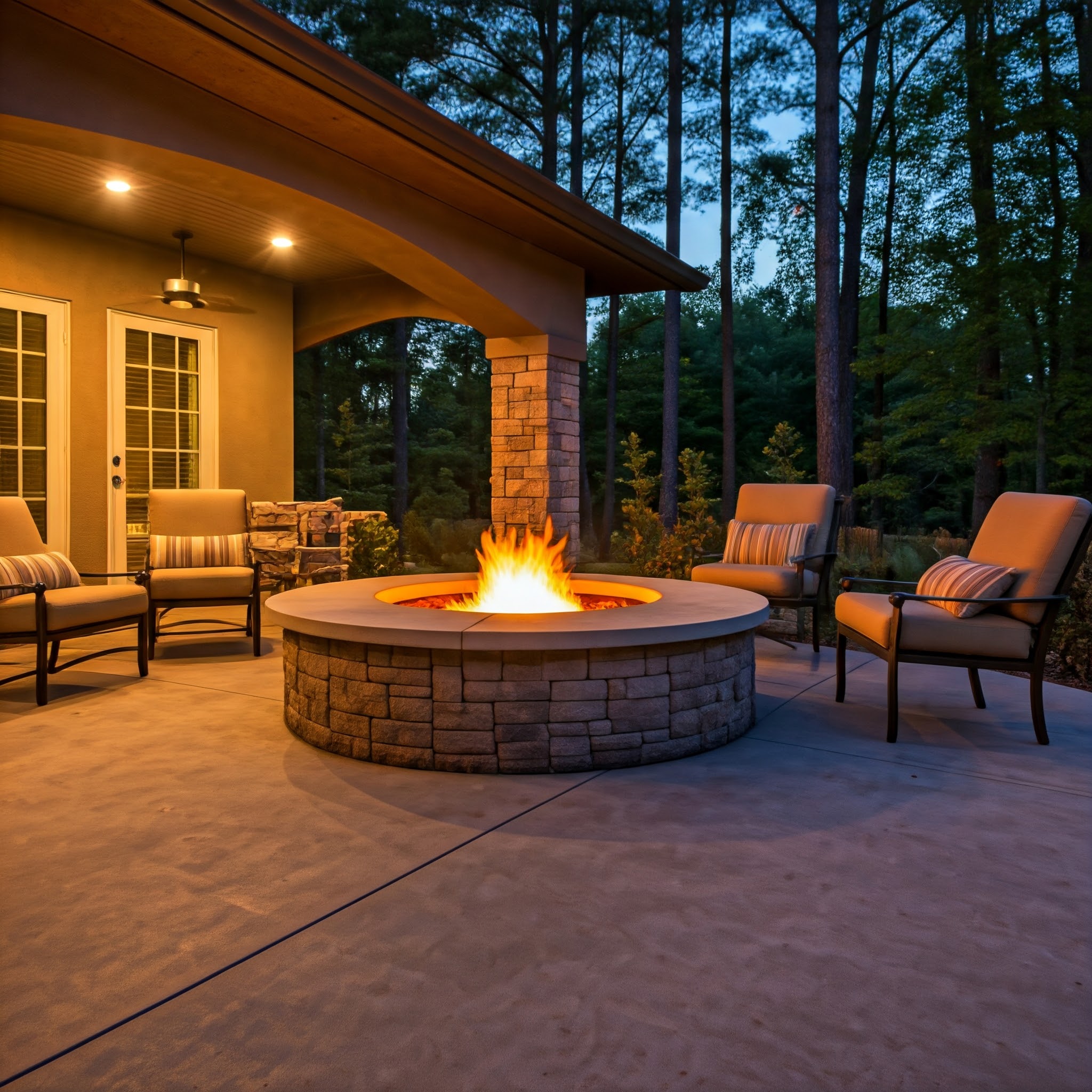
When it comes to designing your outdoor living space, choosing the right patio material is crucial. Two of the most popular options for Maryland homeowners are concrete patios and pavers. Both provide distinct advantages, but they come with different costs, maintenance requirements, and installation processes. To help you make an informed decision, we’ll compare the pros and cons of concrete patios and pavers, covering aspects like durability, aesthetics, and long-term value.
Cost Comparison: Concrete Patios vs. Pavers
One of the first factors homeowners consider when choosing a patio material is cost. Both concrete patios and pavers can be affordable, but they differ in terms of initial costs and long-term value.
Concrete Patios: An Affordable Investment
Concrete patios are generally more budget-friendly upfront compared to pavers. A standard poured concrete patio typically costs less in terms of materials and labor. The ease of pouring concrete as a continuous slab makes installation quicker and less labor-intensive, which further reduces costs. For homeowners on a budget, concrete provides a solid option without sacrificing durability or style.
Additionally, concrete allows for greater customization at a lower price point. With options like stamped concrete or stained finishes, you can achieve a high-end look without breaking the bank. On average, concrete patios cost around $6 to $15 per square foot, depending on the complexity of the design and the installation site.
Pavers: Higher Initial Costs
Pavers, made from natural stone, concrete, or brick, typically cost more than poured concrete due to the labor-intensive installation process. Each individual paver must be carefully placed, and the installation requires more time and effort. The material itself can also be more expensive, especially for high-end pavers made from stone or custom designs. On average, pavers can cost anywhere from $10 to $25 per square foot, depending on the type and quality of the paver selected.
While pavers can be more expensive upfront, their aesthetic appeal and variety of design options may make them worth the extra investment for some homeowners.
Maintenance: Concrete Patios vs. Pavers
Long-term maintenance is another important factor to consider when choosing between concrete and pavers. Both materials require some upkeep, but the amount of maintenance varies between the two.
Concrete Patios: Low Maintenance
Concrete patios are known for their low-maintenance nature. Once installed and sealed, concrete requires very little attention. The smooth surface makes it easy to clean, and periodic sealing helps prevent stains, water damage, and cracking. In terms of long-term care, concrete typically only needs resealing every 2 to 3 years, depending on weather conditions and usage.
While concrete is resistant to cracking, it can still experience surface wear or small cracks over time. However, these are usually easy to repair with concrete patching products or professional assistance. Compared to pavers, concrete is generally easier and less costly to maintain.
Pavers: More Maintenance Required
Pavers require more upkeep, as individual pavers may shift or settle over time. While pavers are durable, weeds can grow between them, and the joints may require periodic re-sanding. Additionally, you may need to reset or replace pavers if they become uneven or cracked. Pavers may also need to be resealed every few years to prevent staining and fading.
While pavers are highly durable, their maintenance requires more time and effort compared to concrete, making them less ideal for homeowners seeking a low-maintenance solution.
Installation Time: Concrete Patios vs. Pavers
The installation process for both concrete patios and pavers can vary, but generally, concrete patios are quicker and easier to install.
Concrete Patios: Faster Installation
Concrete patios are quicker to install because the material is poured as a continuous slab, and the process is generally less labor-intensive. Installation typically takes just a few days, with the concrete being poured and smoothed over the designated area. Once the concrete is set and cured, the patio is ready to use. The faster installation time can help homeowners save money on labor costs, making concrete a more appealing option for those on a tight schedule.
Pavers: Longer Installation Time
Installing a paver patio takes longer, as each paver must be individually placed and secured. The installation process also involves laying a proper base layer, compacting the soil, and ensuring the pavers fit together perfectly. Depending on the size and complexity of the design, installing a paver patio can take anywhere from several days to a few weeks. The additional labor and time involved in installing pavers result in higher costs.
Durability: Concrete Patios vs. Pavers
Durability is a key consideration when selecting patio materials, especially in areas with extreme weather conditions, like Maryland.
Concrete Patios: Strong and Long-Lasting
Concrete is known for its strength and durability. When properly installed and sealed, a concrete patio can last for decades with minimal maintenance. Concrete is also resistant to many of the issues that can affect other patio materials, such as moisture absorption, fading, and surface deterioration.
However, concrete can crack over time due to settling or extreme temperature fluctuations. While these cracks are usually minor and easy to repair, they can affect the overall appearance of the patio if not addressed. To prevent cracking, it’s important to ensure proper installation and allow the concrete to cure fully before using the patio.
Pavers: Extremely Durable
Pavers are highly durable and can last for many years with proper maintenance. Because they are individual units, pavers have the ability to shift slightly without cracking, making them a good choice for areas with unstable soil or where settling is common. Pavers are also resistant to surface wear and can handle the weight of vehicles or heavy objects without damage.
While pavers can withstand extreme weather conditions, they may need to be reset or replaced if they become uneven or damaged. With proper care, however, paver patios can last just as long as concrete patios.
Aesthetic Appeal: Concrete Patios vs. Pavers
Both concrete and pavers offer a variety of design options, but they differ in terms of customization and style.
Concrete Patios: Versatile and Customizable
Concrete patios can be easily customized through various techniques such as stamping, staining, or engraving. These options allow homeowners to achieve the look of high-end materials like stone, brick, or wood without the added cost. Concrete can also be colored to match the home’s exterior, giving homeowners flexibility in design.
While concrete provides a clean, modern look, it may lack the texture and variety offered by pavers. However, with the right finishes and patterns, concrete can be made to complement almost any style.
Pavers: Aesthetic Flexibility
Pavers offer a wider range of textures, colors, and designs compared to concrete. Whether you prefer the look of natural stone, brick, or cobblestone, there is a paver option that can achieve the desired effect. Pavers also allow for intricate patterns and designs, making them ideal for homeowners who want a more customized or traditional appearance.
However, the variety of pavers means more decisions to make, and the installation process can be more complicated due to the numerous pieces involved. Still, the visual appeal of pavers cannot be overlooked, especially for those who prefer a more classic, varied look for their patio.
Concrete Patios Often Offer Greater Value
When comparing concrete patios and pavers, it’s clear that both materials have their advantages. Concrete patios offer a more affordable upfront cost, faster installation, and low-maintenance care, making them a great value for homeowners looking for durability and efficiency. On the other hand, pavers offer greater customization and an aesthetic variety that can create a unique and timeless look. However, they come with higher initial costs, more maintenance, and longer installation times.
For many Maryland homeowners, concrete patios provide the best overall value, combining affordability, durability, and ease of maintenance. Whether you’re looking for a stylish outdoor area to entertain guests or a long-lasting space to enjoy with family, concrete patios are a smart choice that will deliver lasting beauty and functionality. Juvthorix